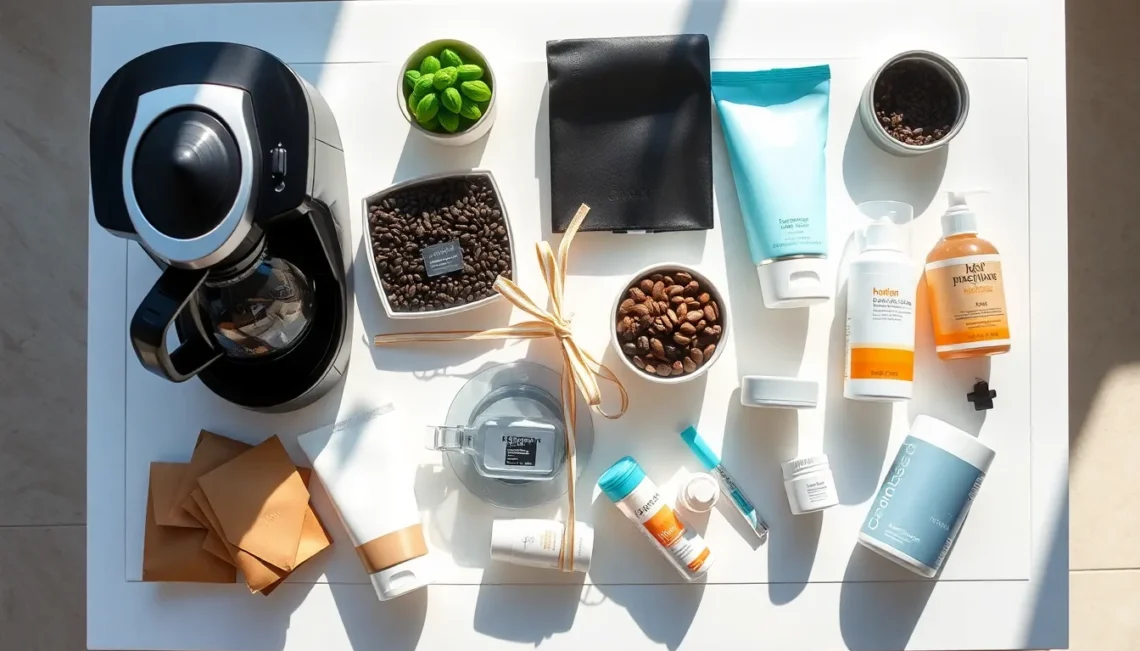
You've probably noticed it while shopping online - that tempting "frequently bought together" section or the bundle deal that seems to offer just a bit more value than buying items separately. Product bundles aren't just a convenience for customers. They're one of the most effective strategies retailers use to increase average order value without relying on aggressive upselling tactics. When done right, bundling creates a win-win scenario: customers feel they're getting more for their money, and businesses see their revenue per transaction climb. The psychology behind it is straightforward - people love the perception of a deal, and bundles tap directly into that desire while simplifying the decision-making process.
The Psychology Behind Bundle Success
Understanding why bundles work starts with understanding how people make purchasing decisions. When faced with multiple individual products, customers often experience decision fatigue. They need to evaluate each item separately, compare prices, and justify each purchase. Bundles eliminate much of that mental work by presenting a pre-selected group of items as a single decision.
The perceived value plays a massive role here. Even when the actual discount is modest, the framing of "get all three for one price" creates a sense of getting more. This perception becomes even stronger when you include complementary products that customers might not have considered purchasing separately but recognize as useful once presented together.
Price anchoring also comes into play. When you show the individual prices of bundled items alongside the bundle price, customers immediately see the savings. That comparison point makes the bundle feel like a smart choice rather than an impulse buy. The discount doesn't need to be dramatic - even a small reduction can trigger the psychological reward of "winning" at shopping.
There's also the convenience factor. Bundles save time and mental energy. A skincare bundle with cleanser, toner, and moisturizer means the customer doesn't need to research which products work well together. You've done that work for them, and they're willing to pay for that curation.
Strategic Bundle Types That Drive Revenue
Not all bundles are created equal, and the type you choose should align with your products and customer behavior. Pure bundles require customers to buy the entire package - think of software suites or meal kits where everything comes together. These work best when the components genuinely need each other to function properly or deliver the intended experience.
Mixed bundles offer more flexibility. Customers can buy items individually or choose the bundle for a better price. This approach works well for products that have standalone value but complement each other. A camera store might sell a body, lens, and memory card separately, but offer a bundle discount when purchased together. You're not forcing the bundle, just making it the more attractive option.
Cross-sell bundles pair products from different categories that naturally go together. A laptop bundled with a carrying case and wireless mouse, or a coffee maker with premium beans and filters. These bundles introduce customers to products they might not have browsed otherwise, expanding their purchase beyond their original intent.
Gift bundles tap into a different motivation entirely. During holidays or special occasions, customers want ready-made solutions. A "spa day at home" bundle or "grilling essentials" package removes the guesswork from gift-giving and typically commands a higher price point because of the convenience and presentation.
Fun Facts & Trivia
- Fast food value meals pioneered the modern bundle concept, making it normal to expect a drink and fries with your burger as a package deal.
- The "razor and blades" model is essentially a long-term bundle strategy where the initial product is cheap, but the ongoing supplies create recurring revenue.
- Video game consoles have used bundling since the early days, pairing hardware with popular game titles to increase perceived value and reduce price resistance.
- Subscription boxes are bundles taken to the extreme, where the mystery of what's included becomes part of the appeal rather than a deterrent.
- Grocery stores place complementary items near each other to encourage mental bundling, even when they're not officially packaged together.
Implementation Tactics That Actually Work
Creating bundles is one thing. Making them perform is another. Start by analyzing your sales data to identify products frequently purchased together. Your customers are already telling you what bundles make sense through their buying patterns. If you notice that people who buy running shoes often return within a week to buy running socks, that's a clear bundle opportunity.
Pricing your bundles requires careful thought. The discount needs to be meaningful enough to motivate the purchase but not so steep that it erodes your margins unnecessarily. A good starting point is offering a bundle discount that's slightly better than what you'd offer on a single-item sale. The key is making the math obvious - customers should be able to quickly see they're saving money without needing a calculator.
Presentation matters enormously. Your bundle needs to look like a curated collection, not just random items thrown together. Use quality images showing all components, write compelling descriptions that explain why these items work together, and give the bundle a name that communicates its purpose. "The Morning Routine Bundle" tells a story that "Skincare Set #3" doesn't.
Timing your bundle promotions can amplify their effectiveness. New product launches are perfect opportunities - bundle the new item with established favorites to reduce the perceived risk of trying something unfamiliar. Seasonal transitions work well too. As summer approaches, bundle sunscreen with after-sun care and beach accessories.
Don't forget about inventory management. Bundles can be strategic tools for moving slower inventory when paired with bestsellers. Just make sure the combination still makes logical sense to customers. Forcing unrelated products together just to clear stock will damage trust and reduce future bundle performance.
Measuring and Refining Your Bundle Strategy
You can't improve what you don't measure. Track your average order value before and after introducing bundles, but also look at the attachment rate - what percentage of customers choose the bundle versus individual items. A low attachment rate might mean your bundle isn't compelling enough, the discount is too small, or the products don't naturally fit together in customers' minds.
Pay attention to which bundles perform best and why. Is it the discount percentage, the specific product combination, or the way you've marketed it? Sometimes a bundle fails not because the concept is wrong but because customers can't find it or don't understand the value proposition quickly enough.
Customer feedback provides invaluable insights. If people are buying your bundles but leaving reviews saying they wish it included a different item, that's actionable intelligence. Consider creating multiple bundle variations to test different combinations and price points.
Watch for cannibalization effects. If your bundles are so attractive that they're pulling sales away from higher-margin individual purchases without increasing overall revenue, you need to adjust. The goal is to increase total transaction value, not just shift purchases from one format to another at a lower profit.
Conclusion
Product bundles represent one of the most customer-friendly ways to increase your average order value. Unlike aggressive upselling or complicated loyalty programs, bundles provide genuine value that customers can immediately understand and appreciate. They simplify decision-making, create perceived savings, and introduce customers to products they might not have discovered otherwise. The key to success lies in thoughtful curation - bundles should feel like helpful suggestions from someone who understands your customers' needs, not transparent attempts to inflate the cart total. When you get the combination right, price it fairly, and present it well, bundles become a natural part of the shopping experience that benefits everyone involved. Start small, test different approaches, and let your sales data guide your refinements. The businesses seeing the biggest impact from bundles aren't necessarily the ones with the deepest discounts - they're the ones who've taken time to understand what their customers actually want and need together.
FAQs
What discount percentage should I offer on product bundles?
There's no universal magic number, but most successful bundles offer between 10-20% off the combined individual prices. The discount should be large enough to feel meaningful but not so deep that it significantly hurts your margins. Test different percentages with your specific products and audience. Sometimes even a 5% discount is enough if the convenience and curation add sufficient value. Focus on making the savings obvious and easy to calculate at a glance.
How many items should I include in a bundle?
Three to four items typically works best for most product categories. This size feels substantial enough to justify the bundle concept without overwhelming customers or making the price point too high. Smaller bundles of two items can work for higher-priced products, while larger bundles of five or more items are better suited for lower-cost items or special occasion packages. The total bundle price matters more than item count - keep it within a range your target customers are comfortable spending in a single transaction.
Should I allow customers to customize bundles or keep them fixed?
Both approaches have merit depending on your business model and operational capacity. Fixed bundles are simpler to manage, easier to market, and create a stronger sense of curation and expertise. Customizable bundles offer more flexibility and can appeal to customers who want most but not all items in your suggested bundle. Consider starting with fixed bundles to test demand and gather data, then introduce customization options if you see customers consistently requesting substitutions or if your inventory system can handle the complexity without creating fulfillment headaches.