Beyond the Hype: What is the Metaverse, Really?
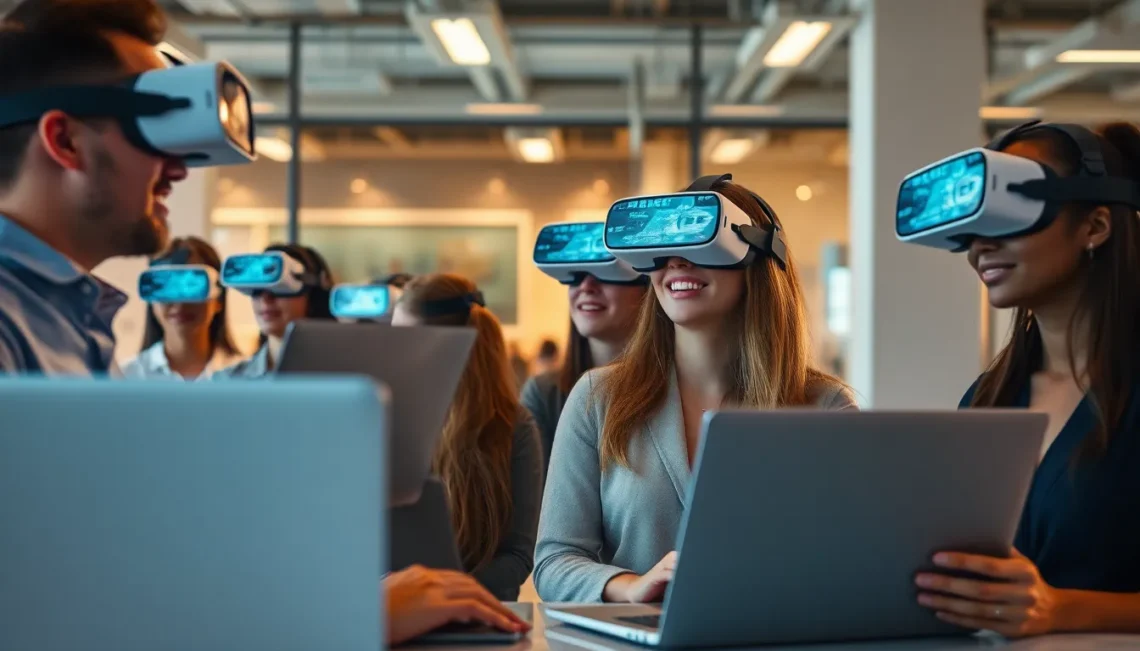
The term “metaverse” has been tossed around a lot lately, but what does it truly mean? As technology emerges, so do new concepts that seem to promise a different way of interacting with each other and the world. To many, the metaverse is a digital universe – a blend of virtual reality, augmented reality, and the internet, where people communicate, work, and play in immersive environments. But is it all just a trendy buzzword, or is there something substantial beneath the surface? In this article, we’ll explore the metaverse’s core elements, its implications, and why understanding it matters to all of us.
A New Digital Landscape
The metaverse refers to an ongoing digital space, where users can interact in real time through virtual environments. Think of it as the next step in digital communication, moving from text and images to fully immersive experiences. It’s not just about video games; it encompasses various sectors, including social media, virtual workspaces, and online communities.
Why should we care about this new space? Well, the metaverse offers opportunities for global connectivity that could diminish barriers of geography and culture. Imagine attending a concert miles away while interacting with fans in real time or having a business meeting in a virtual office that feels much like a real one.
Take, for example, companies like Meta and Roblox. They are developing platforms that allow people to create avatars, buy virtual real estate, and even conduct transactions in digital currencies. This can change how we perceive ownership and value – what happens when people start buying and selling digital items in a way that feels just as real as physical transactions?
The Power of Community
The metaverse isn’t just about individual experiences; it’s fundamentally built on community engagement. Users can gather, collaborate, and share ideas in various virtual environments. This sense of belonging is increasingly important in a world where physical interaction is limited, such as during a pandemic.
Imagine joining a virtual classroom from anywhere, your avatar interacting with peers and instructors alike. Or think about attending a virtual festival where you can dance and enjoy music with friends or even make new ones from different continents. These experiences foster connections that transcend traditional social boundaries.
Moreover, communities in the metaverse can lead to social change. For instance, various platforms are being used for activism and awareness, enabling movements to go global quickly. It empowers people to express themselves – each avatar can reflect individual identity, creating a canvas for self-expression in ways that the physical world may limit.
Economic Shifts and New Opportunities
The metaverse is not just an exciting playground; it has significant economic implications. Virtual economies are already emerging, where users create and trade digital goods. This creates jobs that didn’t exist before – including digital artists, virtual real estate agents, and community managers.
A clear example is the sale of virtual land in platforms like Decentraland and The Sandbox. Investors are spending real money on digital properties, which can be developed and monetized just like physical land. It’s a compelling situation that raises questions about the future of currency and ownership.
Furthermore, brands are starting to take notice. Companies like Nike and Gucci have entered the metaverse with virtual stores, showcasing products in immersive environments. What does this mean for consumers? It opens doors to unique shopping experiences and the potential for items to become more than just accessories – they transform into status symbols within virtual communities.
Challenges and Concerns
Despite its potential, the metaverse is not without challenges. Cybersecurity and privacy issues could arise when personal data is shared in virtual spaces. What happens to our identity online? Can we trust these platforms to protect our information?
Moreover, accessibility is a pressing concern. The technology required to fully engage in the metaverse might not be available to everyone, potentially widening the digital divide. And then there’s the question of mental health; spending too much time in virtual environments risks disconnecting individuals from the physical world.
Addressing these challenges will require collaboration between tech companies, governments, and community leaders. The idea is to create a metaverse that is not just exciting but also safe and inclusive for everyone. So, while there is much hype surrounding the metaverse, taking a critical look at its implications is essential.
Fun Facts & Trivia
- It’s interesting to note that the term “metaverse” was originally coined in Neal Stephenson’s 1992 novel “Snow Crash.”
- A surprising fact is that over 50 million people already engage with elements of the metaverse through games and virtual platforms.
- Here’s a fun piece of trivia: In 2021, the sale of virtual land in metaverse real estate skyrocketed, reaching millions in transactions!
- You might be surprised to learn that major brands like Adidas and Coca-Cola have already created virtual merchandise for the metaverse.
- Consider this: The concept of virtual economies could redefine how we perceive money, as digital currencies become more mainstream.
Conclusion
The metaverse is set to redefine how we interact with technology and each other. While the allure of a fully immersive digital world can be enticing, the potential ramifications are equally significant. It is essential to recognize both the exciting possibilities and the challenges that lie ahead. Businesses, creatives, and communities have a chance to shape this space into something beneficial for all.
Learning from past mistakes – like the residents of previous digital landscapes who experienced data breaches and privacy issues – can inform our approach to the metaverse. As we move towards this new frontier, it’s crucial to remain well-informed, actively participate, and advocate for a safer and more inclusive virtual environment.
What is the metaverse?
The metaverse is a virtual universe where users can interact in real-time through immersive environments, blending elements of virtual reality, augmented reality, and the internet.
How is the metaverse impacting businesses?
Businesses are exploring the metaverse to create virtual stores, advertise digital goods, and engage consumers in new ways, leading to a shift in traditional marketing and e-commerce strategies.
What are the challenges of the metaverse?
Key challenges include cybersecurity risks, privacy concerns, accessibility issues, and the potential negative effects of prolonged virtual engagement on mental health.