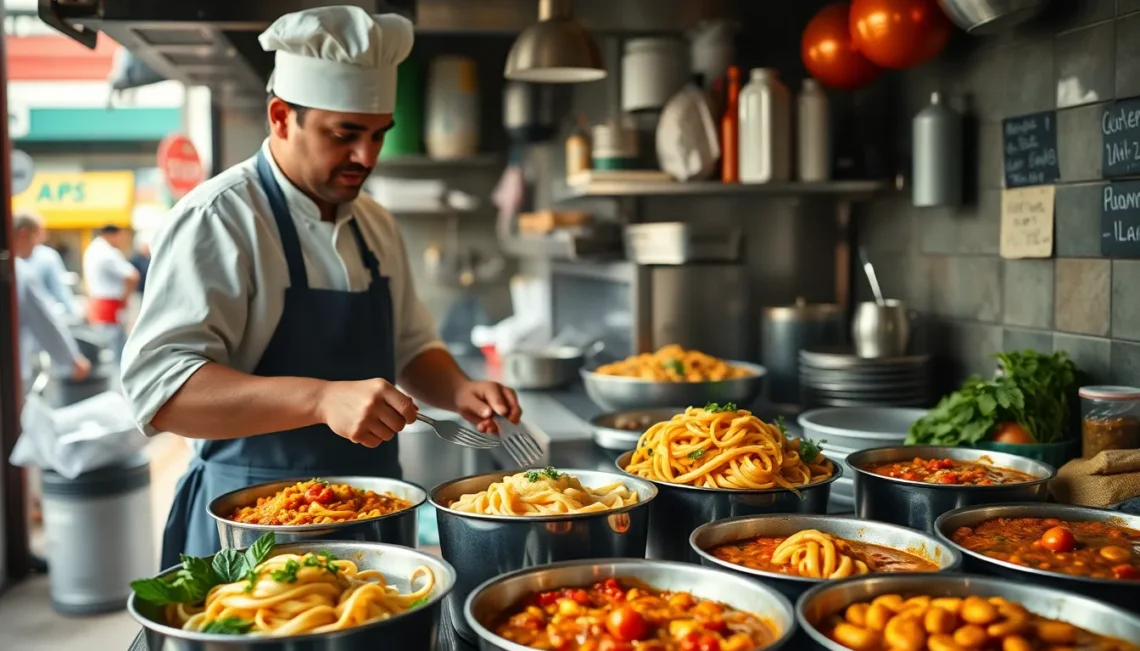
Picture this: a long day, maybe a little hectic, and all you want is a comforting bowl of pasta. But then, the thought of multiple pots, a colander, and a sink full of dishes just deflates all your dinner dreams. It's a familiar feeling, isn't it? That beautiful vision of creamy, flavorful pasta quickly turns into a chore. Well, what if I told you there's a way to skip all that dishwashing dread and still enjoy a truly delicious meal? That's exactly what one-pot pasta offers. It's not just a trend; it's a game-changer for anyone who loves good food but isn't so fond of the cleanup. This method brings everything together, cooking in a single vessel, transforming weeknight dinners into something genuinely exciting and, honestly, quite simple.
The Magic of Simultaneous Cooking: Flavor Fusion from the Get-Go
One-pot pasta isn't just about throwing everything into a single pan; there's a real culinary reason it works so well. See, when you cook pasta in the same liquid as all your other ingredients, something special happens. The starches released from the pasta don't get drained away like they usually do. Instead, they stay in the pot, thickening the cooking liquid and creating a wonderfully rich, creamy sauce that clings to every single noodle. This is the secret behind that incredible mouthfeel you get from a perfectly made one-pot dish. It's a natural emulsifier, sort of a built-in sauce maker. You don't need to add extra cream or cheese just to get that velvety texture; the pasta does a lot of the heavy lifting itself.
Think about it: onions, garlic, herbs, vegetables, and the pasta all simmer together. This "simultaneous cooking" allows all the different flavors to meld and deepen right from the start. The pasta absorbs not just water, but also the aromatic essence of whatever else is in the pot. If you're using broth, the pasta soaks up that savory goodness. If you've got diced tomatoes, their sweetness and acidity infuse into the pasta as it cooks. It's a much more cohesive flavor profile compared to cooking pasta separately and then tossing it with a sauce later. Everything becomes intertwined, creating a truly harmonious and deeply satisfying meal. It genuinely feels like a culinary shortcut that doesn't sacrifice taste, which, honestly, is what we all want after a long day.
Building Incredible Tastes: Simple Ingredients, Profound Results
When it comes to one-pot pasta, you might think "simple" means "boring." But that's absolutely not the case. The beauty here is in understanding how even "simple ingredients" can create "flavor building blocks" that result in something profound. We're talking about really good quality basics. Start with aromatics, you know, garlic and onions. They’re the foundation for so many delicious meals. Maybe a little sauté for a minute or two to wake up their flavors before you add anything else. Then consider your liquid. Water works, of course, but broth? Chicken or vegetable broth adds an immediate layer of savory depth that water just can't quite achieve. It's a simple swap, but it makes a world of difference in the final taste.
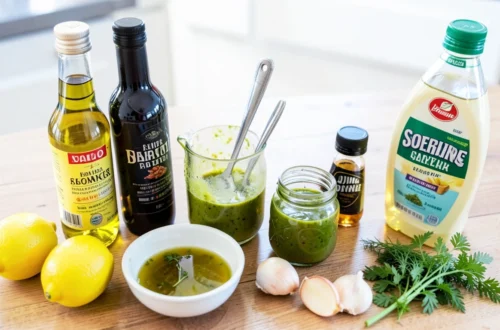
Next, think about a fresh element and maybe a touch of acidity. Cherry tomatoes burst and release their juices, adding a lovely sweetness and a bright counterpoint to the richness. A squeeze of lemon juice at the end can lift the whole dish, sort of like a secret ingredient. Fresh herbs, like basil or parsley, stirred in right at the end, provide a pop of color and freshness that truly elevates the dish. And don't forget cheese! A sprinkle of Parmesan isn't just for topping; it melts into the sauce, adding another layer of salty, umami goodness. The key is to select ingredients that play well together and contribute distinct elements to the overall flavor. It’s not about using a million things, but rather using a few good things very thoughtfully. That's how you get maximum flavor with minimum fuss.
Your Kitchen's Best Friend: Time-Saving, Sanity-Saving Meals
Let's be real, life is busy. Cooking often takes a backseat to... well, everything else. This is where one-pot pasta truly shines as a kitchen hero. It's not just about getting dinner on the table; it's about doing it without feeling completely overwhelmed. Think of the "quick weeknight meals" you could whip up when you know cleanup will be a breeze. You're saving precious minutes, maybe even hours, by eliminating multiple steps. No boiling water in one pot, straining in another, making sauce in a third. It's all happening in one place. This drastically cuts down on the physical effort involved in cooking, but more importantly, it cuts down on the mental load.
The reduction in "minimal kitchen cleanup" is probably the most celebrated benefit, and for good reason. After a long day, the thought of scrubbing multiple pans and pots can be a huge deterrent to cooking at home. With one-pot pasta, you often have just one pot and perhaps a cutting board to wash. That's it. This means less time spent scrubbing and more time enjoying your meal, relaxing, or spending time with family. It frees you up, giving you a sense of control over your evenings rather than feeling like the kitchen is dictating your schedule. It’s about making home cooking accessible, even when you're tired, ensuring that good food doesn't have to come at the cost of your precious downtime.
Fun Facts & Trivia
- It's interesting to note that one-pot pasta wasn't originally a modern invention; similar methods for cooking pasta and sauce together have existed in various global cuisines for centuries, adapting to local ingredients.
- A surprising fact is that the starch released from pasta during one-pot cooking acts as a natural thickener, often negating the need for added cream or flour to achieve a luscious sauce.
- Here's a fun piece of trivia: many popular one-pot pasta recipes originated from a recipe by Martha Stewart that went viral, showcasing the simplicity and effectiveness of the method to a wide audience.
- You might be surprised to learn that while traditionalists might scoff, cooking pasta this way can actually make it more flavorful, as it absorbs the seasoned cooking liquid directly.
- Consider this: the minimal cleanup aspect is so appealing, it's often cited as the top reason people try and stick with one-pot pasta dishes for busy weeknights.
Conclusion
So, yeah, one-pot pasta is really more than just a convenient cooking method. It’s about reclaiming a little bit of sanity in a world that often feels relentlessly fast-paced. It’s proof that truly delicious meals don't need a massive amount of effort or a mountain of dirty dishes. What's worth remembering here is the simple elegance of it all: how ingredients, when cooked together from the start, can create a depth of flavor that feels complex, yet comes from such a straightforward process. The starch from the pasta, those aromatics, the good liquid you use-they all just... cooperate. It’s genuinely smart cooking, honestly.
I learned the hard way that trying to rush things or skimp on good quality broth in a one-pot recipe can really change the outcome. You think, "Oh, water is fine," but no, that little extra effort for broth makes a huge difference. The whole point is to minimize fuss without minimizing joy, right? This cooking style really lets you enjoy the process, even when you're tired. It lets you get dinner on the table, often in under 30 minutes, and then actually enjoy eating it, rather than just dreading the cleanup that follows. It's a genuinely lovely solution for everyday cooking, making delicious, flavorful pasta accessible to everyone, no matter how busy their schedule.
FAQs about One-Pot Pasta
Can I use any type of pasta for one-pot recipes?
Generally, yes, but thinner or smaller pasta shapes like spaghetti, linguine, penne, or macaroni tend to work best as they cook more evenly and release starch effectively. Larger, denser pasta shapes might require more liquid or longer cooking times.
What kind of liquid should I use when making one-pot pasta?
While water works in a pinch, using vegetable broth, chicken broth, or even diluted canned tomatoes significantly boosts the flavor of your dish. Milk or cream can also be added towards the end for extra richness, depending on the recipe.
How do I prevent the pasta from sticking together in a one-pot dish?
Stirring frequently, especially during the initial stages of cooking, is key to preventing sticking. Also, ensure you have enough liquid in the pot, as the pasta needs to be submerged to cook properly and release its starches evenly.