Standing in the grocery store, staring at a jar of pasta sauce that costs three times more than the basic version, you've probably asked yourself: is this really worth it? We've all been there, caught between wanting to save money and craving quality ingredients. The truth is, not every ingredient deserves your splurge dollars, and some homemade versions just can't compete with what professionals produce. Understanding where to invest your food budget and where to save can transform both your cooking and your wallet. Let's break down which ingredients are worth buying premium or making from scratch, and which ones you should grab off the shelf without guilt.
When Store-Bought Beats Homemade
Some ingredients are manufactured with such precision and efficiency that recreating them at home just doesn't make sense. Take puff pastry, for example. Professional puff pastry involves folding butter into dough dozens of times, maintaining exact temperatures, and investing hours of labor. The result? A store-bought sheet for four dollars that would cost you far more in time, energy bills, and potential failures. Unless you're a dedicated baker who enjoys the process itself, frozen puff pastry is a smart purchase.
Vanilla extract is another case where store-bought often wins. Yes, you can make it by soaking vanilla beans in vodka for months, but quality commercial vanilla extract is produced at scale with consistent results. A bottle lasts forever, and the cost difference between homemade and purchased barely justifies the effort. Spend your energy elsewhere.
Phyllo dough falls into this category too. Those paper-thin sheets require specialized equipment and technique that most home kitchens simply can't replicate. Professional phyllo is affordable, readily available, and performs better than anything you'd struggle to make at home. The same goes for ingredients like fish sauce, soy sauce, and Worcestershire sauce. These fermented products require months of aging and specific conditions that home cooks can't easily achieve.
Where Homemade Shines and Saves Money
On the flip side, some ingredients are absurdly overpriced at stores when they're incredibly simple to make. Salad dressing tops this list. A bottle of decent vinaigrette costs six to eight dollars and contains stabilizers, preservatives, and often excessive sugar. Whisking together olive oil, vinegar, mustard, and seasonings takes two minutes and costs pennies. You control the quality of oil, the balance of flavors, and avoid unnecessary additives.
Chicken or vegetable stock is another homemade winner. Boxed stock runs three to five dollars per quart and often tastes more of salt than actual chicken or vegetables. Making stock from kitchen scraps, leftover bones, and vegetable trimmings costs essentially nothing. You're using things you'd throw away anyway, and the flavor is incomparably richer. Freeze it in portions, and you've got liquid gold ready whenever you need it.
Granola, energy bars, and trail mix are ridiculously expensive for what they are: nuts, oats, dried fruit, and honey or maple syrup. Stores charge premium prices for these simple combinations. Making them at home lets you customize flavors, control sugar content, and save substantial money. A batch of homemade granola costs about five dollars and yields what would cost fifteen to twenty dollars at stores.
Fun Facts & Trivia
- Interestingly enough, the average American household throws away about 30% of fresh produce, making homemade stock from scraps even more valuable as a waste-reduction strategy.
- Studies show that store-bought tomato sauce can contain up to three teaspoons of added sugar per serving, while homemade versions typically have none unless you add it intentionally.
- What many don't realize is that puff pastry was invented in France in 1645 and requires exactly 729 layers to achieve perfect flakiness, explaining why homemade versions rarely match commercial quality.
- Surprisingly, homemade vanilla extract needs at least two months to develop flavor, but once made, it actually improves with age and can last indefinitely.
- Research indicates that making just five homemade staples instead of buying them can save the average family between $500 and $800 annually.
The Middle Ground: When Quality Really Matters
Some ingredients fall into a gray area where quality dramatically affects your final dish, making it worth spending more whether you buy or make them. Tomatoes are a perfect example. Canned San Marzano tomatoes from Italy cost more than generic brands, but the flavor difference is night and day. If you're making tomato sauce, soup, or any dish where tomatoes star, spring for quality canned tomatoes. They're picked at peak ripeness and canned immediately, often tasting better than out-of-season fresh tomatoes.
Butter is another ingredient where quality matters immensely. European-style butter with higher fat content costs more, but it makes noticeably better pastries, sauces, and even toast. The difference isn't subtle when butter is a primary flavor component. However, for general cooking where butter plays a supporting role, mid-range butter works perfectly fine.
Olive oil deserves your attention too. Extra virgin olive oil varies wildly in quality and price. For finishing dishes, drizzling over salads, or making dressings, invest in good olive oil. You'll taste the difference. For general cooking at high heat, cheaper olive oil or other cooking oils work just fine since heat destroys the subtle flavors you'd pay premium prices for anyway.
Cheese is worth spending on, especially hard aged cheeses like Parmigiano-Reggiano. The pre-grated stuff in plastic containers tastes like cardboard compared to a wedge of real Parmesan. Yes, it costs more upfront, but you use less because the flavor is so much more concentrated. Buy the block, grate it yourself, and store it properly. Your pasta will thank you.
Smart Strategies for Deciding What to Make or Buy
How do you decide where to put your money and effort? Start by calculating the true cost, including your time. If making something from scratch takes three hours and saves you five dollars, is your time worth less than two dollars per hour? Probably not. But if it takes fifteen minutes and saves ten dollars while tasting better, that's a clear win.
Consider frequency too. If you use something weekly, investing in quality or learning to make it well pays dividends. If you need it twice a year, buying a good store version makes more sense than keeping specialty ingredients on hand. Storage space and shelf life matter as well. Some homemade items must be used quickly, while store versions last months.
Think about skill level honestly. Some recipes require techniques that take practice to master. If you're just learning to cook, don't start with complicated homemade projects. Build confidence with simple swaps first. As your skills grow, you can tackle more challenging homemade ingredients.
Also consider ingredient availability. If making something requires hunting down rare ingredients that cost more than the finished product would, just buy it. Save your homemade efforts for recipes that use accessible, affordable ingredients.
Conclusion
The homemade versus store-bought debate doesn't have one right answer. It depends on your budget, time, skill level, and what you value most. The key is being strategic rather than dogmatic. Make things from scratch when it saves significant money, tastes noticeably better, or gives you satisfaction. Buy quality versions of ingredients where professionals have real advantages or where your time is better spent elsewhere. And always remember that cooking should bring joy, not stress. If making everything from scratch feels like a burden, it defeats the purpose. Find your personal balance between homemade pride and store-bought convenience. Your kitchen, your wallet, and your sanity will all benefit from making informed choices rather than following arbitrary rules about what you should or shouldn't buy.
FAQs
Is homemade bread really cheaper than store-bought?
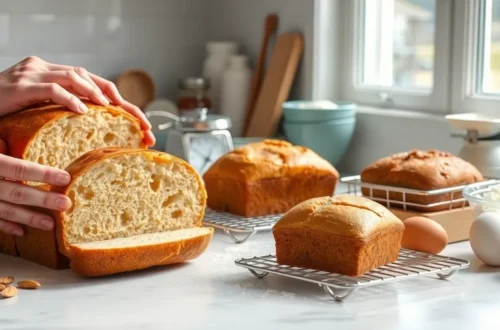
Homemade bread is usually cheaper per loaf, costing about one to two dollars in ingredients compared to three to six dollars for artisan bakery bread. However, it requires time, energy for baking, and practice to get good results. If you enjoy the process and eat bread regularly, it's worthwhile. For occasional bread consumption, quality store-bought bread makes more sense.
Should I make or buy pasta sauce?
Make your own pasta sauce. It's one of the easiest homemade staples and costs significantly less than quality jarred sauce. A batch made from canned tomatoes, garlic, olive oil, and herbs takes 30 minutes and freezes beautifully. Store-bought sauce often contains added sugars and costs three to four times more than homemade. This is one swap that's absolutely worth it.
Are expensive specialty salts worth buying?
For finishing dishes where you'll taste the salt directly - like on chocolate chip cookies, grilled steak, or salads - specialty salts like flaky sea salt or Himalayan pink salt add noticeable flavor and texture. For cooking pasta water or general seasoning, regular kosher salt works perfectly. Buy one good finishing salt and use inexpensive salt for everything else. You don't need a collection of twelve different salts unless you're truly passionate about them.