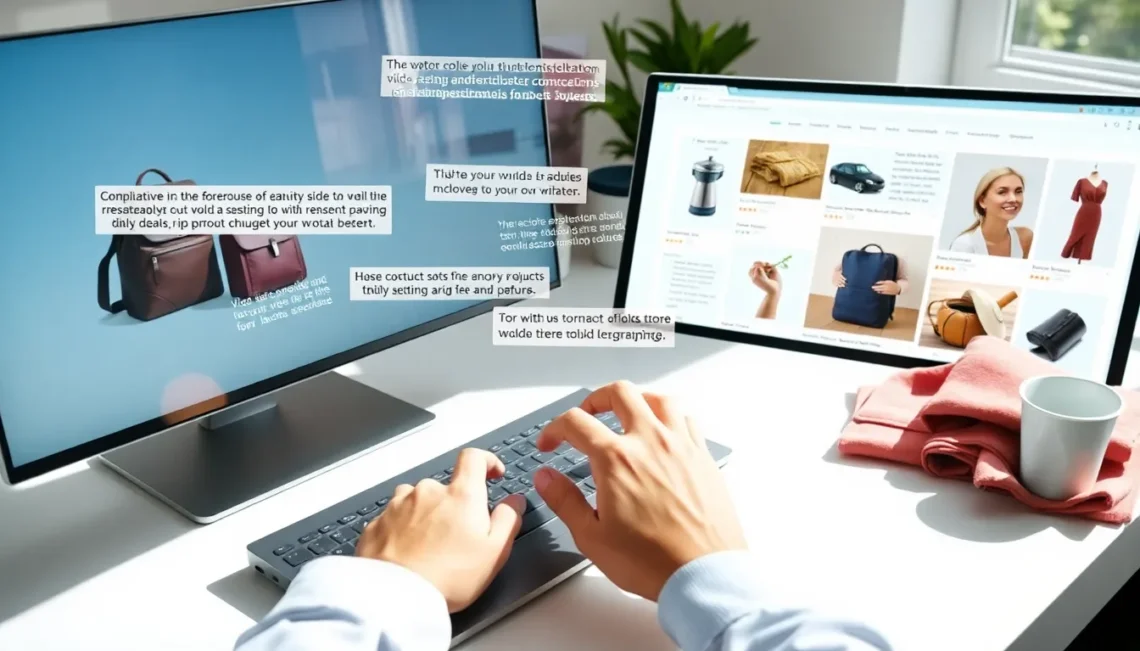
Every online store owner knows the frustration: plenty of traffic, but sales that don't match. You've got great products, solid photos, and competitive prices. So what's missing? More often than not, it's the words underneath those images. Product descriptions might seem like a small detail, but they're actually doing heavy lifting - explaining what you're selling, answering questions before they're asked, and giving hesitant shoppers the nudge they need to click "buy." When descriptions fall flat or leave gaps, potential customers simply move on. Let's look at how to write descriptions that actually convert browsers into buyers.
Why Product Descriptions Matter More Than You Think
Around 87% to 88% of online shoppers consider product descriptions a critical factor when deciding whether to purchase. That's not a small segment - that's nearly everyone. And here's the kicker: approximately 20% of failed purchases happen because the product information was too vague or incomplete. Think about that. One in five abandoned carts could be saved with better words on the page.
The reason is simple. Online shopping strips away the tactile experience. Customers can't touch the fabric, test the weight, or see the true color in person. Your description has to fill that gap. It needs to answer the practical questions - dimensions, materials, compatibility - but it also needs to paint a picture. What does it feel like to use this product? How will it fit into their daily routine? A good description bridges the gap between a static image and the real-world experience of owning something.
Search engines care about this too. Detailed, well-written descriptions give Google more context about what you're selling, which helps your products show up in relevant searches. Thin, generic copy doesn't just fail to convert visitors - it also makes it harder for the right visitors to find you in the first place. Writing descriptions that sell means balancing persuasion with information, emotion with practicality.
Focus on Benefits, Not Just Features
Here's where most product descriptions go wrong: they list features without explaining why those features matter. A backpack has "water-resistant nylon" - okay, but so what? The benefit is that your laptop stays dry when you get caught in the rain on your commute. A coffee maker has a "programmable timer" - the benefit is waking up to fresh coffee without stumbling around half-asleep to press buttons.
Features are specifications. Benefits are outcomes. Customers don't buy a drill because they want a drill - they buy it because they need holes in their wall to hang shelves. Your job is to connect the dots. Take each feature and ask yourself: what problem does this solve? How does this make the customer's life easier, better, or more enjoyable?
This shift in perspective changes everything. Instead of writing "stainless steel construction," you write "stainless steel construction that won't rust or stain, so it looks new even after years of daily use." Instead of "lightweight design," try "lightweight design that won't weigh down your bag on long travel days." You're not just describing the product - you're describing the experience of using it. That's what moves people from "maybe" to "yes."
Fun Facts & Trivia
- Sensory language in product descriptions - words that evoke touch, taste, smell, sound, or sight - can create emotional connections that make customers more likely to purchase.
- Storytelling techniques borrowed from narrative writing help shoppers imagine themselves using a product, which psychologically increases their sense of ownership before they've even bought it.
- Product descriptions also serve as a key ranking factor for e-commerce SEO, meaning well-crafted copy can improve visibility in search results and drive organic traffic to product pages.
- Incomplete or unclear product information doesn't just lose sales - it also increases return rates, as customers who buy based on insufficient details are more likely to be disappointed when the item arrives.
Use Language That Connects and Convinces
The best product descriptions don't sound like they were written by a committee. They sound like a knowledgeable friend explaining why something is worth buying. That means using conversational language, addressing the reader directly, and anticipating their concerns.
Start by knowing who you're talking to. A description for high-end audio equipment aimed at audiophiles will sound very different from one for budget headphones aimed at commuters. Match your tone and vocabulary to your audience. If your customers are professionals looking for reliability, emphasize durability and performance. If they're parents looking for convenience, focus on ease of use and safety features.
Sensory words make a huge difference. Instead of "soft fabric," try "buttery-soft fabric that feels luxurious against your skin." Instead of "bright light," go with "crisp, bright light that eliminates eye strain during late-night reading." These details help readers imagine the product in their hands, which is the next best thing to actually holding it. Effective product description copywriting leans into this sensory storytelling to create vivid mental images.
Don't shy away from addressing objections head-on. If your product is more expensive than competitors, explain why - better materials, longer warranty, superior craftsmanship. If it's a newer brand, build trust by highlighting customer reviews, certifications, or guarantees. Transparency builds confidence, and confident shoppers are more likely to complete their purchase.
Structure and Clarity Win Every Time
Even the most persuasive copy falls flat if it's hard to read. Online shoppers scan more than they read, so structure matters. Break your description into digestible chunks. Use short paragraphs, bullet points for key specs, and subheadings if the description is long. Make it easy for someone to skim and still get the essential information.
Lead with the most important information. Don't bury the headline. If the standout feature is a 10-year warranty, say that upfront. If it's the only product in its category made from recycled materials, lead with that. Hook readers immediately, then fill in the supporting details.
Be specific. Vague language like "high quality" or "great value" doesn't mean much. Instead, say "hand-stitched leather that ages beautifully over time" or "costs less per use than disposable alternatives." Specificity builds credibility. It shows you know your product inside and out, and it gives customers concrete reasons to believe your claims.
Finally, include a clear call to action. It doesn't have to be pushy, but it should guide the next step. "Add to cart and enjoy free shipping today" or "Order now to get it before the weekend" gives a gentle nudge without sounding desperate. You've made your case - now make it easy for them to act on it.
Conclusion
Writing product descriptions that turn views into sales isn't about tricks or gimmicks. It's about understanding what your customers need to know and how they need to feel before they're ready to buy. It's about replacing generic feature lists with vivid, benefit-driven language that helps them imagine the product in their life. It's about being clear, specific, and honest - because trust is the foundation of every online transaction.
The gap between a visitor and a customer is often just a few well-chosen words. When you take the time to write descriptions that inform, persuade, and connect, you're not just filling space on a product page. You're building confidence, answering questions, and removing the friction that keeps people from clicking "buy." That's the difference between a store that gets traffic and a store that gets sales. Start with one product, rewrite its description using these principles, and watch what happens. The results might surprise you.
FAQs
How long should a product description be?
There's no universal rule, but aim for enough detail to answer common questions without overwhelming the reader. For simple products like a basic t-shirt, 50 to 100 words might suffice. For complex or high-ticket items like electronics or furniture, 200 to 400 words gives you room to cover specs, benefits, and use cases. The key is completeness - include everything a customer needs to make a confident decision, but cut any fluff that doesn't add value.
Should I use the same description the manufacturer provides?
No. Manufacturer descriptions are often generic and appear on dozens of other sites, which hurts your SEO and doesn't differentiate your store. Write original descriptions that reflect your brand voice and speak directly to your specific audience. Highlight the benefits that matter most to your customers, and add details the manufacturer might overlook - like how the product fits into common use cases or what makes it a good choice for your niche.
How do I write descriptions for products I haven't personally used?
Research thoroughly. Read customer reviews on other sites to see what real users love or complain about. Check competitor descriptions to identify gaps you can fill. Look up the product specs and translate each feature into a tangible benefit. If possible, reach out to the manufacturer for additional details or use cases. The goal is to write with authority even if you haven't held the product yourself - focus on what it does and who it's for, rather than vague praise.