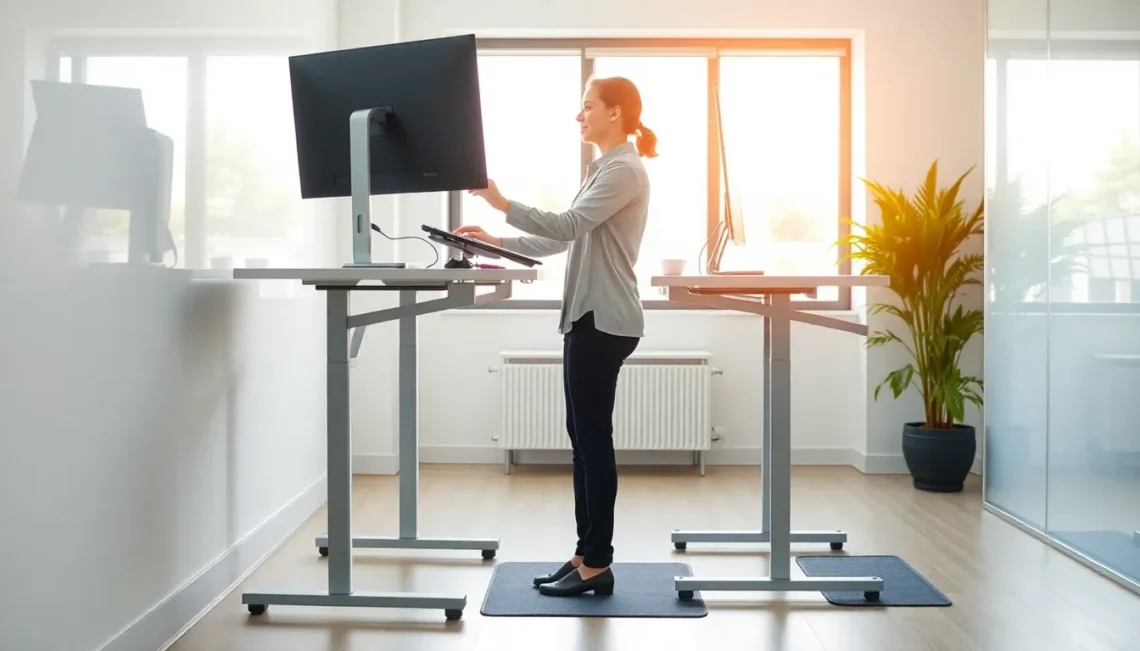
Standing desks have become a workplace staple, promising relief from the health risks of sitting all day. But do they actually deliver on those promises? The truth is more nuanced than the marketing suggests. While standing desks can offer real benefits when used correctly, they are not a magic solution for poor posture, sedentary habits, or chronic pain. Understanding what standing desks can and cannot do helps you make smarter choices about your workspace setup and daily movement habits.
The key to getting value from a standing desk lies in how you use it, not just owning one. Proper ergonomics, regular position changes, and realistic expectations matter far more than the desk itself. Let's separate the evidence-based benefits from the overhyped claims.
The Real Benefits of Alternating Positions
The biggest advantage of a standing desk is not standing itself, but the ability to change positions throughout the day. Alternating between sitting and standing regularly helps improve blood flow and reduces strain on your neck and back. When you shift positions, you engage different muscle groups, prevent stiffness, and give overworked areas a break.
Think of it like this: your body was not designed to hold any single position for hours on end. Whether you are sitting or standing, staying static creates problems. Blood pools in your lower extremities, muscles fatigue, and joints stiffen. By switching between sitting and standing every 30 to 60 minutes, you keep your body moving and responsive.
This position variety can reduce discomfort for people who experience lower back pain from prolonged sitting. When you stand, your spine takes on a different load distribution, which can relieve pressure on the lumbar region. But this only works if you maintain good posture while standing. Slouching at a standing desk creates its own set of problems, including shoulder tension and neck strain.
The movement itself matters more than the position. Even small shifts, like weight transfers from one foot to the other or gentle stretches while standing, contribute to better circulation and reduced muscle fatigue. A standing desk gives you the option to move, but you still need to take that option regularly.
Ergonomic Setup Makes or Breaks the Experience
A standing desk without proper ergonomic setup can cause more harm than good. The most common mistake is incorrect monitor and keyboard placement, which leads to neck and shoulder pain within days. Proper ergonomic setup, including keeping the keyboard at elbow height and the monitor at eye level, prevents neck and back strain that undermines any potential benefits.
When standing, your elbows should form a 90-degree angle when your hands rest on the keyboard. If your desk is too high, you will hunch your shoulders. Too low, and you will bend your wrists awkwardly. Your monitor should sit at arm's length away, with the top of the screen at or slightly below eye level. This prevents the forward head posture that strains your neck muscles.
Your feet matter too. Standing on a hard floor in unsupportive shoes creates fatigue and discomfort that has nothing to do with the desk itself. Using an anti-fatigue mat and supportive footwear can reduce strain on the lower body and encourage movement while standing. These mats have a cushioned surface that promotes subtle shifts in weight and foot position, which keeps your leg muscles engaged without causing fatigue.
Lighting and screen glare also play a role. If you have to crane your neck or squint to see your screen clearly, you will develop tension headaches and eye strain regardless of whether you are sitting or standing. Position your desk to minimize glare from windows and overhead lights, and adjust your screen brightness to match your environment.
Fun Facts & Trivia
- Some people find that standing while working increases their energy levels and focus, though this effect varies widely between individuals and tends to diminish if you stand for too long without breaks.
- Anti-fatigue mats work by creating an unstable surface that forces your feet and leg muscles to make constant micro-adjustments, similar to how balance boards engage your core.
- The transition period when you first start using a standing desk can involve temporary foot and leg discomfort as your body adapts to the new demands, typically lasting one to two weeks.
- Desk converters that sit on top of existing desks offer a lower-cost alternative to full standing desks, though they often provide less workspace and can feel less stable.
What Standing Desks Cannot Do
Despite the health halo surrounding standing desks, they have clear limitations. Standing desks are not a substitute for exercise and do not reduce the risk of conditions such as stroke and heart failure. Standing at your desk burns only marginally more calories than sitting, and it does not provide the cardiovascular benefits of actual physical activity.
Some people assume that standing all day will help them lose weight or improve their fitness. The reality is that standing burns only about 20 more calories per hour than sitting, which adds up to roughly 160 extra calories over an eight-hour workday. That is less than a single granola bar. If weight management or cardiovascular health is your goal, you need dedicated exercise time, not just a different desk.
Standing for excessively long periods without changing posture can lead to discomfort, fatigue, and potential health problems. Prolonged standing has been linked to varicose veins, joint compression, and chronic foot pain. Workers in retail and food service, who stand for entire shifts, often experience these issues. A standing desk used incorrectly can create the same problems.
The idea that standing desks will automatically fix your posture is also misleading. Poor posture habits follow you from sitting to standing. If you slouch in your chair, you will likely lean on your desk or shift your weight unevenly while standing. Posture requires conscious effort and body awareness, not just a different piece of furniture.
Standing desks also do not address the root cause of sedentary behavior, which is lack of movement throughout the day. If you stand in one spot for four hours straight, you are still being sedentary. The goal should be frequent position changes and regular movement breaks, not simply replacing sitting with standing.
Practical Strategies That Actually Work
To get real value from a standing desk, treat it as a tool for movement, not a fixed solution. Set a timer to remind yourself to switch positions every 30 to 45 minutes. Some people prefer sitting for the first half of the morning, standing after lunch, and alternating more frequently in the afternoon. Find a rhythm that matches your energy levels and work tasks.
Combine your standing desk with other movement habits. Take short walking breaks every hour, even if it is just a lap around your office or a trip to refill your water bottle. Stretch your hip flexors, shoulders, and neck while standing. Do calf raises or gentle squats during phone calls. These small actions compound over time and provide far more benefit than standing alone.
Invest in the accessories that make standing comfortable. A good anti-fatigue mat costs less than most office chairs and makes a noticeable difference in how your feet and legs feel. Supportive shoes matter too. If you work from home, consider keeping a pair of cushioned sneakers at your desk specifically for standing periods.
Pay attention to your body's signals. If your feet hurt or your lower back aches, sit down. Pushing through discomfort does not build resilience; it creates injury. The point of a standing desk is to give you options, not to force you into a single position all day.
Conclusion
Standing desks offer genuine benefits when used as part of a broader approach to workplace movement and ergonomics. They give you the flexibility to change positions, which improves circulation and reduces the strain of prolonged sitting. But they are not a cure-all for sedentary lifestyles, poor posture, or lack of exercise. The desk itself matters less than how you use it.
Focus on alternating positions regularly, maintaining proper ergonomic setup, and incorporating real movement into your day. A standing desk can support these habits, but it cannot replace them. If you approach it with realistic expectations and pair it with other healthy practices, you will likely notice improvements in comfort and energy. Just do not expect it to do the work for you.
FAQs
How long should I stand at my standing desk each day?
There is no magic number, but most experts suggest starting with 15 to 30 minutes at a time and gradually increasing as your body adapts. Aim to alternate between sitting and standing every 30 to 60 minutes rather than standing for long continuous periods. Listen to your body and sit down if you feel fatigued or uncomfortable. The goal is regular position changes, not maximizing standing time.
Will a standing desk help me lose weight?
Standing burns only slightly more calories than sitting, so the weight loss impact is minimal. You would burn roughly 20 extra calories per hour standing compared to sitting, which is not enough to create meaningful weight loss on its own. If weight management is your goal, focus on regular exercise and nutrition rather than relying on a standing desk. The desk can support an active lifestyle but cannot replace it.
Can I use a standing desk if I have knee or foot problems?
It depends on the specific condition and your overall setup. People with certain knee or foot issues may find prolonged standing uncomfortable or harmful. If you have existing joint problems, start slowly with short standing periods and use a high-quality anti-fatigue mat and supportive footwear. Consult with a healthcare provider or physical therapist to determine whether a standing desk is appropriate for your situation and how to use it safely.