Planning a tropical beach getaway means more than just booking flights and hotels. What you pack can make the difference between a relaxing escape and a week of sunburns, soggy swimsuits, and forgotten essentials. The key is striking a balance between bringing everything you need and keeping your luggage light enough to enjoy the journey. Whether you're heading to the Caribbean, Southeast Asia, or the South Pacific, certain items belong in every beach traveler's suitcase. Let's walk through the must-haves that will keep you comfortable, protected, and ready for whatever your tropical adventure brings.
Sun Protection That Actually Works
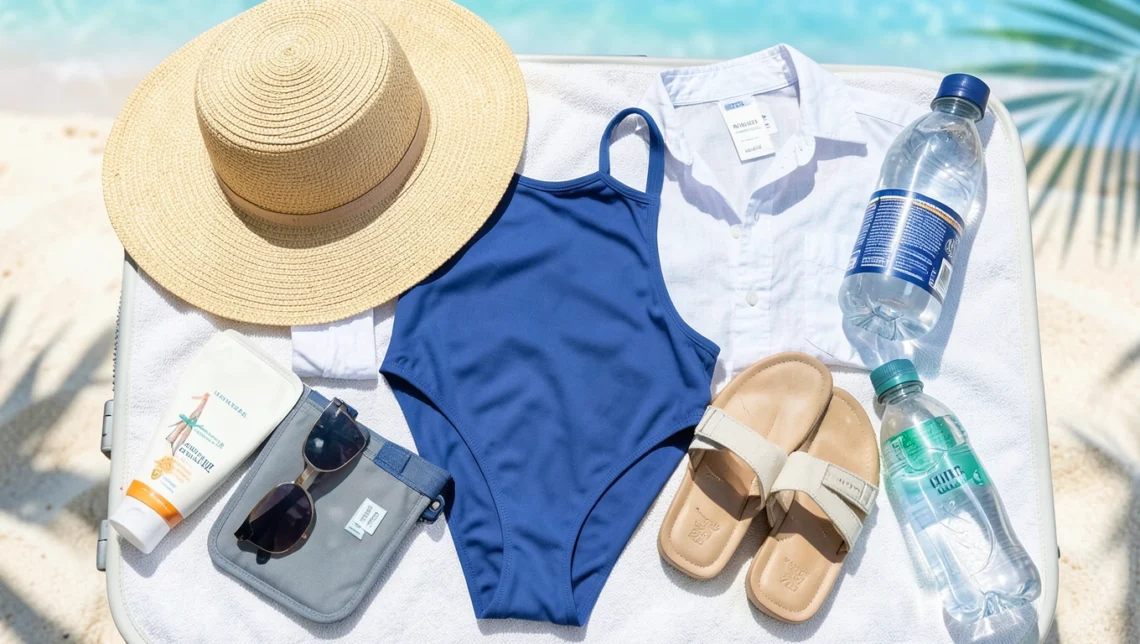
The tropical sun is no joke. Even on cloudy days, UV rays can damage your skin faster than you might expect. Start with a broad-spectrum sunscreen with an SPF value of 15 or higher, and plan to reapply every two hours, especially after swimming or sweating. That means a single travel-size bottle won't cut it for a week-long trip. Bring enough to last, or budget for buying more at your destination, where prices might be higher than back home.
A wide-brimmed sun hat is just as important as sunscreen. Look for something packable that won't lose its shape when stuffed in your bag. Straw hats work well, but synthetic options often hold up better in humidity and ocean spray. Don't forget sunglasses with UV protection. Your eyes need shielding too, and squinting through every beach walk gets old fast. A lightweight cover-up or long-sleeve rash guard adds another layer of protection when you're spending hours in the water or exploring tide pools.
Swimwear and Quick-Dry Clothing
Here's something many first-time tropical travelers learn the hard way: bring at least two swimsuits per person. High humidity in beach destinations means your suit from this morning's swim might still be damp by afternoon. Having a backup lets you rotate between them and stay comfortable. Choose suits made from quick-dry fabrics, and consider packing a small mesh bag to keep wet items separate from the rest of your luggage.
For clothing beyond the beach, lighter colors and breathable fabrics like cotton or linen help you stay cool in warm, humid climates. Dark colors absorb heat, which sounds fine until you're walking through a coastal town at midday. Pack loose-fitting shirts, shorts, and sundresses that allow air circulation. A light cardigan or shawl comes in handy for overly air-conditioned restaurants or evening breezes. Footwear should include both sandals for the beach and a comfortable pair of walking shoes for exploring. Flip-flops are fine for short distances, but if you plan to hike or walk on uneven terrain, you'll want something with more support.
Fun Facts & Trivia
- Compact, packable sun hats are considered just as important as sunscreen for effective sun protection during beach and hiking days on tropical trips.
- Using packing cubes can significantly improve the organization and accessibility of items in your luggage for a tropical vacation, making it easier to find what you need without unpacking everything.
- Many tropical destinations have strict regulations about bringing certain foods, plants, or animal products across borders, so check customs rules before packing snacks or souvenirs.
- Reef-safe sunscreen has become increasingly important in many beach destinations, as traditional sunscreens can harm coral ecosystems and are even banned in some locations.
Practical Gear for Beach Days
A good beach bag makes everything easier. Look for something with sand-proof mesh panels or a waterproof lining. You'll be carrying wet towels, sunscreen, snacks, and electronics, so multiple compartments help keep things organized. Speaking of towels, many resorts provide them, but a lightweight microfiber travel towel takes up minimal space and dries quickly if you're staying in a vacation rental or planning beach days away from your accommodation.
Waterproof protection for your phone and valuables is worth the small investment. A simple waterproof pouch lets you take photos in the water without worry and keeps your phone safe from sand and splashes. If you're planning to snorkel, consider bringing your own mask and snorkel. Rental equipment varies in quality, and having gear that fits properly makes the experience much better. A reusable water bottle with insulation keeps drinks cold in the heat and reduces plastic waste.
Don't overlook the small items that solve big problems. Aloe vera gel soothes sunburns and skin irritation. A small first-aid kit with bandages, pain relievers, and any prescription medications you need saves you from hunting for a pharmacy in an unfamiliar place. Insect repellent matters more than you might think, especially if you're visiting during rainy season or staying near mangroves or jungle areas. Mosquitoes in tropical regions can carry diseases, so protection is practical, not paranoid.
Electronics and Entertainment
Your phone probably serves as your camera, map, translator, and entertainment center, so bring the right charging equipment. A portable power bank keeps devices running during long beach days or travel delays. Check the voltage requirements at your destination. Many tropical countries use different outlets than North America or Europe, so a universal adapter prevents frustration. A waterproof speaker adds atmosphere to beach picnics, but keep the volume respectful of other travelers.
E-readers are perfect for beach reading. They're lighter than books, hold dozens of titles, and most screens work fine in bright sunlight. If you prefer physical books, choose paperbacks you won't mind getting a little sandy. Download offline maps, translation apps, and any entertainment before you leave, especially if you're heading somewhere with spotty internet. A simple notebook and pen are useful for jotting down recommendations from locals or keeping a travel journal without worrying about battery life.
Conclusion
Packing for a tropical beach getaway doesn't require overthinking, but it does reward a bit of planning. The right sun protection, enough swimwear to rotate through, breathable clothing, and a few practical accessories make the difference between a trip you enjoy and one you spend wishing you'd brought something different. Focus on items that serve multiple purposes and protect you from the elements. Leave room in your bag for souvenirs and things you might pick up along the way. The goal is to pack light enough to move easily but thoroughly enough that you're prepared for beach days, exploring, and everything in between. When you've got the essentials covered, you can focus on what really matters: relaxing, exploring, and making the most of your time in paradise.
FAQs
How much sunscreen should I pack for a week-long tropical vacation?
Plan on using about one ounce of sunscreen per application if you're covering your entire body. For a week-long trip with daily beach time and reapplication every two hours, you'll likely need several bottles. A standard bottle contains around six to eight ounces, so two to three bottles per person is a reasonable estimate. If you're traveling with family, the amount adds up quickly. You can always buy more at your destination, but prices at resort shops or tourist areas tend to be higher than what you'd pay at home.
Should I pack a beach towel or rely on hotel towels?
It depends on your accommodation and plans. Most resorts and hotels provide beach towels, sometimes with a card system to track them. If you're staying at a vacation rental, hostel, or planning beach days away from your lodging, bring a lightweight microfiber travel towel. These pack down small, dry quickly, and weigh much less than traditional cotton towels. They're also useful for unexpected situations like sudden rain or impromptu swimming opportunities during day trips.
What type of shoes work best for a tropical beach destination?
Bring at least two types: comfortable sandals for the beach and pool, and a pair of closed-toe walking shoes for exploring, hiking, or uneven terrain. Water shoes are helpful if you're visiting rocky beaches or areas with coral and sea urchins. Flip-flops are convenient but offer minimal support for long walks. If you're planning any jungle hikes or adventure activities, lightweight sneakers or hiking sandals with good tread make a big difference in comfort and safety.