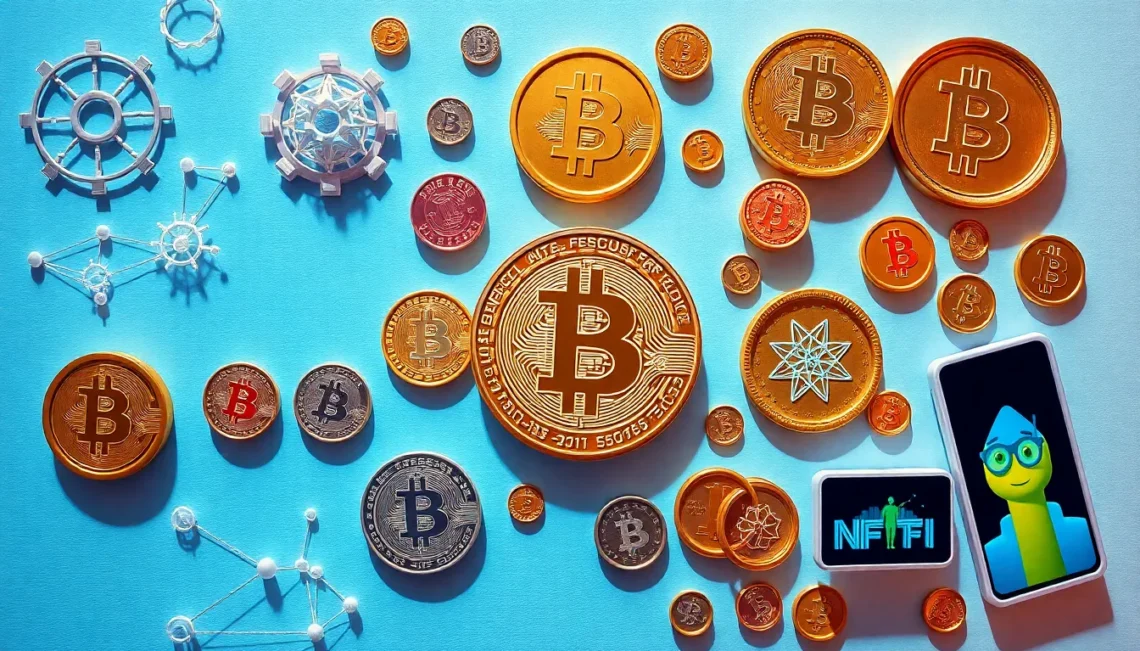
Bitcoin may have introduced the world to cryptocurrency, but it's just the beginning of a much larger story. While Bitcoin remains the most recognized digital currency, thousands of other cryptocurrencies have emerged, each serving different purposes and solving unique problems. From platforms that run entire applications to digital tokens that represent ownership of art, the cryptocurrency landscape has evolved far beyond simple peer-to-peer payments. Understanding what exists beyond Bitcoin can help you grasp where this technology is heading and why it matters for the future of finance, ownership, and digital interaction.
Understanding Ethereum and Smart Contracts
When people think of cryptocurrency alternatives to Bitcoin, Ethereum usually comes to mind first. But Ethereum isn't just another digital coin competing for market share. It's a blockchain platform known for its smart contracts, which are programs that automatically execute when predetermined conditions are met, eliminating the need for intermediaries. Think of a smart contract as a digital vending machine: you put in the right input, and the output happens automatically without anyone needing to oversee the transaction.
This capability opens doors that Bitcoin simply wasn't designed to handle. Developers can build decentralized applications on Ethereum's platform, creating everything from lending protocols to digital marketplaces. The native currency, Ether, fuels these operations by paying for the computational power needed to run these programs. While Bitcoin focuses on being digital money, Ethereum aims to be a global computer that anyone can use to build applications without centralized control.
The practical implications are significant. Traditional contracts require lawyers, notaries, or other trusted parties to ensure both sides fulfill their obligations. Smart contracts encode these obligations directly into code, executing automatically when conditions are met. This reduces costs, speeds up transactions, and removes the need to trust a middleman. Understanding how cryptocurrencies work helps clarify why this automation matters for real-world applications.
Stablecoins: Bridging Traditional and Digital Finance
One major criticism of cryptocurrencies like Bitcoin and Ethereum is their price volatility. A currency that can swing dramatically in value makes it difficult to use for everyday transactions or as a reliable store of value. This is where stablecoins enter the picture. These are cryptocurrencies designed to maintain a stable value, typically by pegging their value to a real-world asset like the U.S. dollar, often through collateral reserves.
Stablecoins combine the benefits of cryptocurrency technology with the stability of traditional currencies. You get the speed and borderless nature of digital transactions without worrying that your money will be worth significantly less tomorrow than it is today. Popular stablecoins maintain their peg through different mechanisms: some hold actual dollars in reserve, others use algorithms to adjust supply, and some are backed by other cryptocurrencies.
The use cases are practical and growing. Businesses can settle international payments quickly without the delays of traditional banking systems. Individuals in countries with unstable currencies can hold stablecoins as a more reliable alternative. Traders use them to move quickly between different cryptocurrencies without converting back to traditional money. Stablecoins essentially serve as the on-ramp and off-ramp between the traditional financial world and the cryptocurrency ecosystem, making the entire space more accessible and functional for everyday use.
Fun Facts & Trivia
- Blockchain technology, which underlies all cryptocurrencies, was originally described in a white paper published under the pseudonym Satoshi Nakamoto, whose true identity remains unknown to this day.
- The term "mining" in cryptocurrency refers to the computational process of validating transactions and adding them to the blockchain, earning miners newly created coins as a reward for their work.
- Unlike traditional currencies issued by governments, most cryptocurrencies have a predetermined maximum supply coded into their protocols, making them inherently deflationary rather than inflationary.
- Cryptocurrency transactions are recorded on public ledgers that anyone can view, making the system transparent, though the identities behind wallet addresses typically remain pseudonymous rather than fully anonymous.
Decentralized Finance and NFTs: New Digital Frontiers
Decentralized Finance, commonly called DeFi, encompasses financial services built on blockchain networks, primarily Ethereum, enabling peer-to-peer transactions like lending and trading without traditional financial institutions. Instead of going through a bank to get a loan or earn interest on your savings, DeFi platforms connect lenders and borrowers directly through smart contracts. The code handles everything that a bank would typically manage, from setting interest rates to ensuring collateral requirements are met.
This shift removes gatekeepers from financial services. You don't need a credit score, a bank account, or approval from any institution. If you have cryptocurrency and an internet connection, you can access these services. People can lend their digital assets to earn interest, borrow against their holdings, trade tokens, or participate in complex financial strategies that were previously only available to institutional investors. The risks are real, including smart contract bugs and the lack of traditional consumer protections, but the potential to democratize finance is compelling.
Then there are non-fungible tokens, or NFTs, which represent a completely different use case for blockchain technology. NFTs are unique digital assets stored on a blockchain that represent ownership of specific items such as digital art, music, or videos, and unlike cryptocurrencies, they are not interchangeable. Each NFT is distinct, with its own identifying information recorded on the blockchain. This creates verifiable digital scarcity and ownership in a way that wasn't possible before.
While NFTs gained attention through high-profile art sales, their applications extend much further. They can represent ownership of virtual real estate, tickets to events, membership in exclusive communities, or even real-world assets like property deeds. The technology provides a way to prove ownership and transfer assets digitally without relying on a central authority to maintain records. Whether NFTs will maintain their cultural relevance remains to be seen, but the underlying concept of tokenizing ownership has staying power.
Conclusion
The cryptocurrency world has expanded far beyond Bitcoin's original vision of peer-to-peer digital cash. Smart contracts enable automated agreements without intermediaries. Stablecoins provide price stability for practical transactions. DeFi platforms offer financial services without banks. NFTs create verifiable digital ownership. Each innovation builds on blockchain technology to solve different problems and serve different needs. Cryptocurrency continues to evolve as developers experiment with new applications and use cases.
This diversity means cryptocurrency isn't a single thing you're either for or against. It's a collection of technologies and approaches, each with its own strengths, weaknesses, and appropriate use cases. Some will succeed and become part of mainstream finance and digital life. Others will fade as better solutions emerge. The key is understanding that Bitcoin was just the first chapter in a much longer story about how we might handle money, contracts, ownership, and trust in an increasingly digital world.
FAQs
What makes Ethereum different from Bitcoin?
Bitcoin was designed primarily as digital money for peer-to-peer transactions. Ethereum, while it has its own cryptocurrency called Ether, is fundamentally a platform for running decentralized applications through smart contracts. These are self-executing programs that automatically carry out agreements when conditions are met. This makes Ethereum more versatile for building financial services, games, and other applications beyond simple currency transactions. The two serve different purposes, though both use blockchain technology.
Are stablecoins actually safe to use?
Stablecoins carry different risks than traditional cryptocurrencies, but they're not risk-free. Their stability depends on the mechanism maintaining the peg to their underlying asset. Some stablecoins are backed by actual reserves of dollars or other assets, while others use algorithms or cryptocurrency collateral. The main risks include the possibility that the backing isn't as solid as claimed, regulatory crackdowns, or technical failures in algorithmic models. They're generally more stable than volatile cryptocurrencies, but you should research the specific stablecoin and understand how it maintains its peg before using it for significant amounts.
Do I need to understand blockchain technology to use cryptocurrency?
You don't need to understand the technical details of blockchain to use cryptocurrency, just as you don't need to understand how credit card networks work to use a credit card. However, having a basic grasp of key concepts helps you make better decisions and avoid common mistakes. Understanding that transactions are irreversible, that you're responsible for securing your own assets, and that different cryptocurrencies serve different purposes will help you use them more safely and effectively. Start with the basics and learn more as you go, rather than trying to master everything before getting started.