Store-bought salad dressings line entire supermarket aisles, promising convenience in a bottle. But here's what they don't advertise on those colorful labels: most contain added sugars, preservatives, and oils you'd never choose yourself. Making your own dressings at home takes just minutes, costs less than those $5 to $10 bottles, and tastes noticeably better. You control every ingredient, adjust flavors to your preference, and avoid the chemical additives that extend shelf life at the expense of quality. Whether you're tossing a simple green salad or dressing roasted vegetables, homemade versions beat their commercial counterparts in flavor, freshness, and value. Let's look at why ditching the bottled stuff makes sense and how easy it really is.
Why Homemade Dressings Win on Taste and Quality
The difference between homemade and store-bought dressing comes down to freshness and ingredient quality. Commercial dressings need to survive months on shelves and in warehouses, so manufacturers add stabilizers, emulsifiers, and preservatives. These additives keep the oil and vinegar from separating and prevent spoilage, but they also dull the bright, vibrant flavors you get from fresh ingredients.
When you make dressing at home, you're working with ingredients at their peak. Fresh lemon juice tastes sharper and more complex than the bottled concentrate many manufacturers use. Real garlic, minced moments before mixing, delivers a punch that garlic powder can't match. High-quality olive oil brings its own fruity, peppery notes that cheap vegetable oil blends simply don't have.
You also avoid the sugar trap. Many bottled dressings, even savory ones, contain surprising amounts of added sugar to balance acidity and appeal to mass-market tastes. A quick scan of ingredient labels reveals corn syrup, cane sugar, or dextrose lurking in products you'd never expect. Making your own means you decide how much sweetness, if any, goes into the mix.
Storage is simpler than you might think. Most oil-based dressings keep well in an airtight jar in the refrigerator for up to a week. Creamy versions made with fresh ingredients like avocado or yogurt should be used within a few days, but that's rarely a problem when they taste this good. A quick shake before each use brings separated ingredients back together.
The Cost Advantage Adds Up Fast
Let's talk money. A bottle of decent dressing at the grocery store runs anywhere from $5 to $10 or more, depending on the brand and whether it's organic or specialty. That bottle might last a few weeks if you're a regular salad eater, which means you're spending several hundred dollars a year just on dressing.
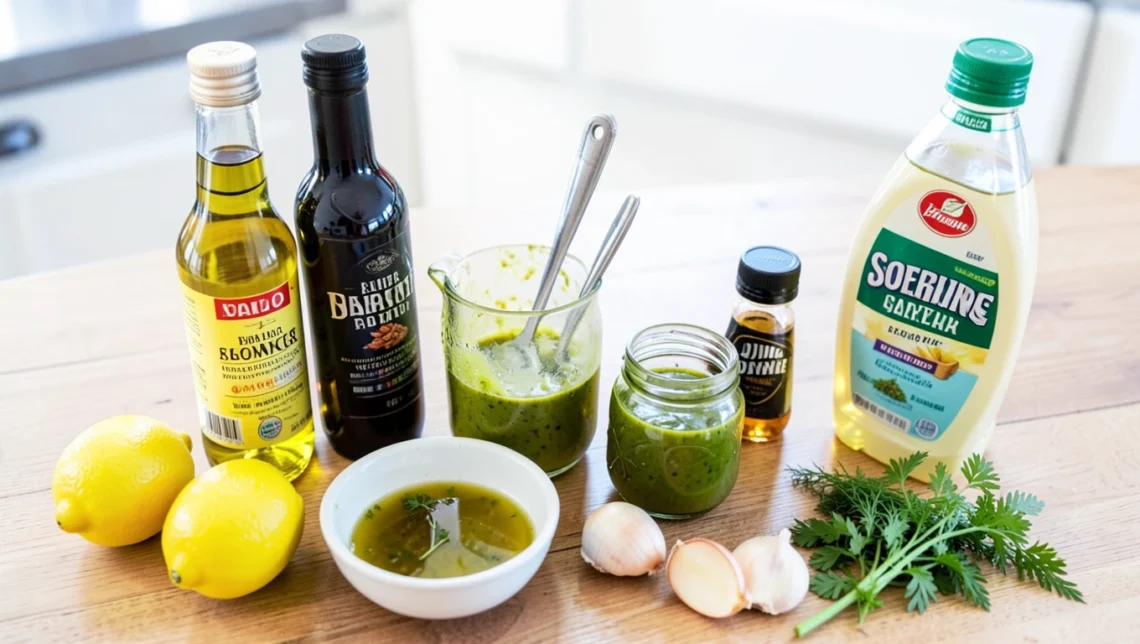
Compare that to homemade. A basic vinaigrette requires olive oil, vinegar, mustard, and maybe a bit of honey or maple syrup. You probably already have these ingredients in your pantry. Even if you buy quality versions, you're looking at pennies per serving. A bottle of good olive oil and a bottle of vinegar will make dozens of batches of dressing for less than the cost of three or four store-bought bottles.
The math gets even better when you consider that homemade dressings often taste richer and more flavorful, so you use less per salad. Store-bought versions can be watery or bland, leading you to pour more to get adequate flavor. With homemade, a light drizzle does the job because the taste is concentrated and fresh.
You're also not paying for packaging, marketing, or distribution costs. Every dollar you spend goes directly into ingredients you'll actually eat, not into the plastic bottle, the label design, or the advertising campaign that convinced you to buy it in the first place.
Fun Facts & Trivia
- The practice of dressing greens dates back almost 2,000 years, with Babylonians using oil and vinegar on their salads in ancient times.
- Ranch dressing, now one of America's most popular varieties, was created in the 1950s at the Hidden Valley Guest Ranch near Santa Barbara, California.
- The classic three-to-one ratio of oil to acid forms the foundation of most vinaigrettes, though you can adjust it based on how tangy or mild you prefer your dressing.
- Mustard acts as a natural emulsifier in vinaigrettes, helping oil and vinegar stay blended longer without the need for chemical stabilizers.
Simple Recipes That Actually Work
You don't need culinary school training to make excellent dressing. The simplest version requires just three ingredients: oil, acid, and salt. From there, you can build complexity with mustard, herbs, garlic, or sweeteners.
A basic vinaigrette starts with three parts oil to one part acid. That acid can be vinegar (red wine, white wine, balsamic, apple cider) or citrus juice (lemon, lime, orange). Add a pinch of salt, shake it in a jar, and you're done. This simple vinaigrette approach works for nearly any salad and takes less than two minutes to prepare.
For something creamier, blend tahini with lemon juice, garlic, and water until smooth. Or whisk together Greek yogurt, fresh dill, lemon juice, and a touch of honey for a tangy herb dressing that works on salads and as a vegetable dip. Avocado-based dressings blend ripe avocado with lime juice, cilantro, and a splash of water for a rich, green goddess-style sauce.
Italian dressing is another easy win at home. Mix olive oil, red wine vinegar, minced garlic, dried oregano, basil, a pinch of red pepper flakes, and salt. Let it sit for ten minutes so the flavors meld. This homemade Italian dressing tastes brighter and more herbaceous than anything you'll find in a bottle, and you can adjust the garlic and spice levels to your liking.
Asian-inspired dressings work beautifully too. Whisk together rice vinegar, sesame oil, soy sauce, grated ginger, and a touch of honey. Drizzle it over cabbage slaw or mixed greens with mandarin oranges. The combinations are endless once you understand the basic formula: fat plus acid plus seasoning equals dressing.
Customization and Dietary Control
Making your own dressing means you accommodate dietary needs without hunting through labels or paying premium prices for specialty products. Need dairy-free? Use tahini or cashew cream instead of yogurt. Avoiding sugar? Leave out the honey or use a sugar-free alternative. Watching sodium? Control the salt level precisely.
You can also match dressings to specific salads or meals. A light lemon vinaigrette works perfectly for delicate greens, while a robust balsamic reduction stands up to hearty kale or roasted vegetables. Creamy avocado dressing complements Mexican-inspired salads with black beans and corn. Sesame-ginger dressing pairs naturally with Asian slaws and noodle bowls.
Experimenting becomes fun rather than expensive. Want to try adding miso paste to your vinaigrette? Go ahead, you're only risking a few cents worth of ingredients. Curious about maple-mustard dressing? Mix it up and see. Store-bought experimentation means buying multiple bottles that might sit unused in your fridge door for months.
Fresh herbs make a huge difference, and you can use whatever you have on hand or growing in your garden. Basil, cilantro, parsley, dill, chives, and tarragon all bring distinct flavors that transform a basic dressing into something special. Dried herbs work too, but fresh ones deliver a brightness that's hard to beat.
Conclusion
Switching to homemade dressings isn't about perfection or spending hours in the kitchen. It's about taking back control of what goes on your food and in your body. The time investment is minimal, the cost savings are real, and the taste difference is immediately noticeable. You'll stop tolerating the overly sweet, oddly textured, preservative-laden products that dominate grocery store shelves and start enjoying dressings that actually enhance your meals.
Start with one simple recipe, maybe a basic vinaigrette or a lemon-tahini blend. Make it a few times until the proportions feel natural. Then branch out, trying different vinegars, oils, and seasonings. Keep a jar in your fridge and shake it before each use. You'll quickly realize that reaching for a bottle was never about convenience, it was just habit. And this is one habit worth breaking.
FAQs
How long does homemade salad dressing last in the fridge?
Oil-based dressings like vinaigrettes typically last up to a week when stored in an airtight container in the refrigerator. Creamy dressings made with fresh ingredients such as yogurt, avocado, or fresh herbs should be used within three to four days for best quality and food safety. Always give dressings a smell test before using, and discard any that look or smell off. The oil may solidify when cold, so let the jar sit at room temperature for a few minutes or run it under warm water before shaking.
What's the best ratio of oil to vinegar for vinaigrette?
The classic ratio is three parts oil to one part acid (vinegar or citrus juice), which creates a balanced dressing that's tangy but not harsh. However, this is a starting point, not a rule. If you prefer a sharper, more acidic dressing, try a two-to-one ratio. For a milder version, go up to four-to-one. Taste as you mix and adjust based on your preference and the strength of your vinegar. Balsamic vinegar, for example, is sweeter and less acidic than white wine vinegar, so you might use slightly more of it.
Can I make large batches of homemade dressing to save time?
You can, but it's usually better to make smaller batches more frequently. Oil-based dressings stay fresh for about a week, so making a double or triple batch makes sense if you eat salads daily. Creamy dressings don't keep as long, so stick to smaller quantities you'll use within a few days. The actual mixing takes so little time that making fresh dressing twice a week is barely more effort than making it once, and the flavor stays brighter. If you do make larger batches, use very clean jars and utensils to minimize bacteria, and always store dressings in the refrigerator.