If you've ever opened your spice cabinet and been greeted by a jumbled mess of unlabeled jars and mystery powders from who-knows-when, you're not alone. Spice organization might seem like a small detail, but it can transform your cooking experience and save you money. More importantly, understanding how long your spices actually last helps you get the most flavor out of every dish. The good news? Spices don't spoil in a way that makes them unsafe to eat, but they do lose their punch over time. This guide will walk you through smart storage strategies, realistic shelf life expectations, and organization systems that actually work in real kitchens.
Understanding Spice Shelf Life: What Really Happens Over Time
Let's clear up a common misconception right away. That jar of paprika from three years ago won't make you sick, but it probably won't add much flavor to your chicken either. Spices lose their potency gradually through a process where their essential oils break down and their aromatic compounds fade. This happens faster when they're exposed to heat, light, air, and moisture.
The shelf life varies significantly depending on the form your spice takes. Whole spices like peppercorns, cinnamon sticks, and whole nutmeg are the marathon runners of the spice world, retaining their flavor for 3 to 4 years when stored properly. Ground spices have a shorter lifespan, typically lasting 2 to 3 years before they start tasting more like dust than the vibrant flavors they once were. Dried leafy herbs like oregano, basil, and thyme fall somewhere in between, holding onto their character for 1 to 3 years.
Salt stands alone as the immortal exception. It can be used indefinitely without losing its peak flavor because it's a mineral, not a plant-based seasoning. That container of sea salt you bought years ago? Still perfectly fine.
How do you know when a spice has passed its prime? Trust your senses. Open the container and take a whiff. If the aroma is weak or nonexistent, the flavor will be too. You can also rub a small amount between your fingers. Fresh spices should release a noticeable scent. If you get nothing, it's time to replace it.
Storage Strategies That Actually Preserve Flavor
Where and how you store your spices matters more than most people realize. That cute spice rack sitting on your counter next to the stove? It's probably the worst possible location. Heat from cooking accelerates the breakdown of essential oils, and direct light does the same damage.
The ideal storage spot is cool, dark, and dry. A cabinet or drawer away from your oven and dishwasher works perfectly. If you have a pantry, even better. The goal is to maintain a consistent temperature and keep your spices away from steam and heat fluctuations.
Container choice makes a difference too. Glass jars with tight-fitting lids work well because they don't absorb odors and create a good seal against air exposure. If you buy spices in plastic bags, transfer them to proper containers. Air is one of the main culprits in flavor loss, so the less your spices are exposed to it, the longer they'll stay potent.
Avoid storing spices in the refrigerator unless specifically instructed. The moisture from opening and closing the fridge can cause clumping and introduce humidity that degrades quality. The one exception might be red spices like paprika and chili powder, which some cooks refrigerate to preserve their color, but this isn't necessary if you're using them regularly and storing them properly in a dark cabinet.
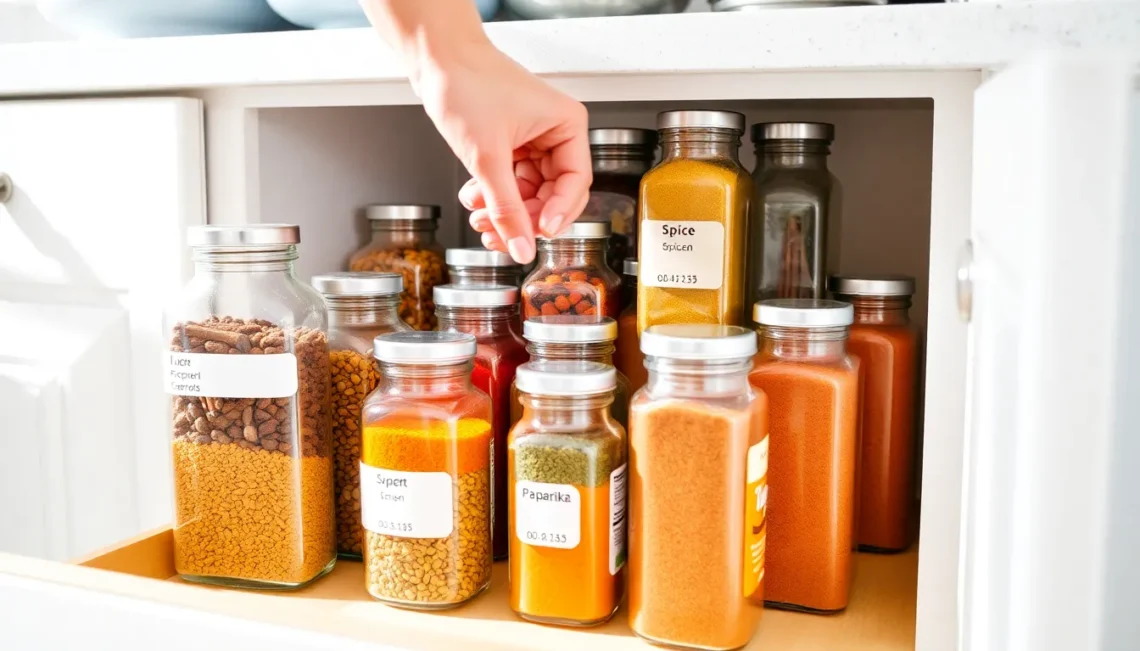
Label everything with the purchase date. You might think you'll remember when you bought that cumin, but six months later, you won't. A simple piece of masking tape with the month and year saves guesswork and helps you rotate stock effectively.
Fun Facts & Trivia
- Grinding whole spices right before use releases significantly more flavor than using pre-ground versions, which is why many serious cooks keep a dedicated spice grinder or mortar and pestle in their kitchen.
- Toasting whole spices in a dry pan for a minute or two before grinding them can revive some of their aromatic oils and intensify their flavor, making even slightly older spices more potent.
- The color of ground spices can be a visual indicator of freshness - vibrant reds, greens, and yellows suggest better quality, while faded or brownish tones often mean the spice has been sitting too long.
- Buying spices in smaller quantities more frequently, rather than bulk containers you'll use for years, ensures you're always cooking with fresher, more flavorful seasonings.
Organization Systems for Different Kitchen Styles
There's no single right way to organize spices, but there are several systems that work well depending on your cooking habits and available space. The key is choosing one that you'll actually maintain.
Alphabetical organization is straightforward and works especially well if you have a large collection. You'll always know exactly where to find what you need. This system shines when you're cooking from recipes that call for specific spices by name. The downside? It doesn't account for how often you use things, so your everyday staples might end up in the back while rarely-used spices get prime real estate.
Grouping by cuisine type appeals to cooks who tend to make the same kinds of dishes regularly. Keep your Italian herbs together, your Indian spices in another section, and your Mexican seasonings in their own spot. This approach makes it easy to grab everything you need for a specific type of meal without hunting through the entire collection. It works best if you have distinct cooking patterns and enough space to create clear zones.
The frequency-based method puts your most-used spices front and center where you can reach them without thinking. Garlic powder, black pepper, cumin, and whatever else you reach for constantly get the VIP spots. Less common spices go toward the back or on higher shelves. This is the most practical system for everyday cooking because it minimizes the time you spend searching.
Some people combine methods. You might keep your top ten most-used spices in a small rack on the counter or in a drawer organizer, while the full collection lives alphabetically in a cabinet. Or you could organize by cuisine but arrange each section alphabetically within itself.
Whatever system you choose, visibility matters. Tiered shelf inserts or drawer organizers that let you see all your labels at once prevent the problem of forgotten spices hiding in the back. If you can't see it, you won't use it, and you'll end up buying duplicates.
Conclusion
Getting your spice situation under control doesn't require a complete kitchen overhaul or expensive storage solutions. It starts with understanding that spices lose flavor over time, not safety, and that proper storage in a cool, dark place makes a real difference in how long they stay potent. Whole spices outlast ground versions, and most dried herbs fall somewhere in the middle, while salt remains the one seasoning that never quits.
The organization system that works best is the one you'll stick with. Whether that's alphabetical order, grouping by cuisine, or simply keeping your favorites within easy reach, the goal is the same: making it easy to find what you need and use your spices while they're still flavorful. Take an hour this weekend to sort through your collection, toss anything that's lost its aroma, and set up a system that makes sense for how you actually cook. Your future self will thank you every time you reach for the right spice without digging through a chaotic pile.
FAQs
How can I tell if my spices have gone bad?
Open the container and smell it. Fresh spices should have a strong, distinct aroma. If the scent is weak or completely absent, the flavor will be too. You can also rub a small amount between your fingers - it should release a noticeable smell. For visual cues, check if ground spices have faded in color or if whole spices look dull. Remember, old spices won't make you sick, but they won't add much flavor to your food either.
Should I store spices in the refrigerator or freezer?
Generally, no. Most spices do best in a cool, dark, dry cabinet away from heat and moisture. Refrigerators introduce humidity every time you open the door, which can cause clumping and actually shorten shelf life. The exception might be red spices like paprika if you want to preserve their color, but this isn't necessary for most home cooks. Freezing isn't recommended either, as condensation when bringing spices to room temperature can introduce moisture.
Is it worth buying whole spices instead of ground?
If you cook regularly and want maximum flavor, yes. Whole spices retain their potency for 3 to 4 years compared to 2 to 3 years for ground versions. They also deliver more intense flavor when you grind them fresh right before use. The tradeoff is convenience - you'll need a spice grinder or mortar and pestle, and it adds a step to your cooking process. For spices you use frequently, buying whole makes sense. For occasional-use seasonings, pre-ground is perfectly fine.