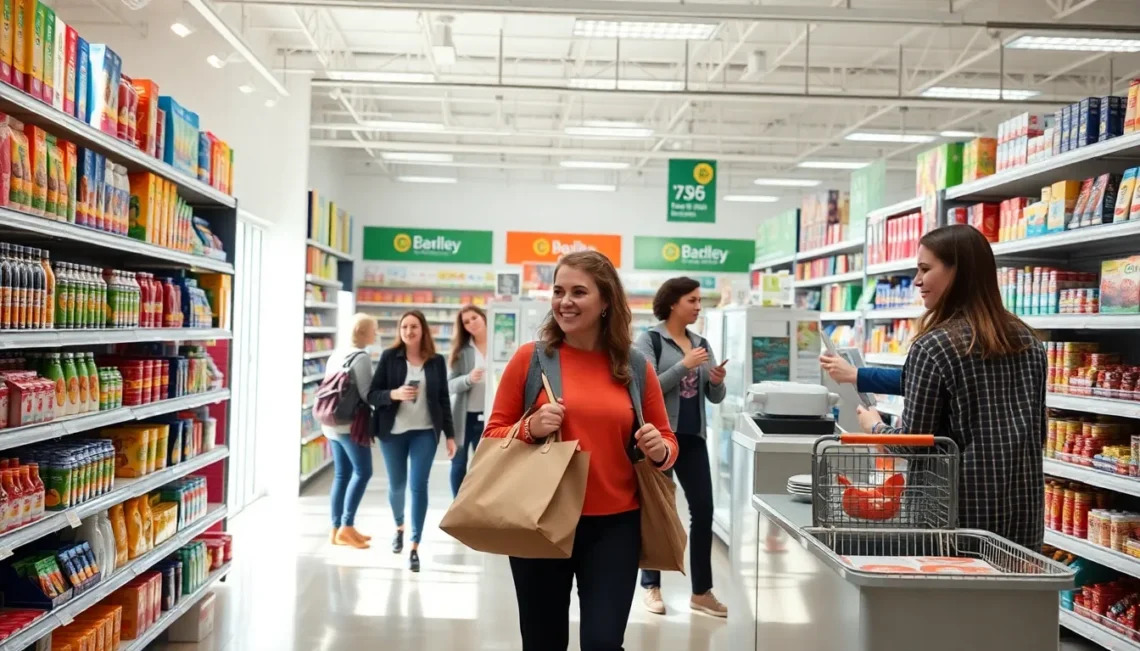
Walk into one store and you feel welcomed. The aisles are clear, staff members greet you with a smile, and everything you need is right where you expect it. Walk into another and you're met with clutter, indifferent employees, and a checkout line that snakes around the corner. The difference isn't random. Shoppers make split-second judgments about where to spend their money, and those decisions are based on a handful of factors that separate trusted retailers from the ones people avoid. Understanding what drives these choices reveals why some stores thrive while others struggle to keep the doors open.
Price and Value Drive the First Decision
Before anything else, shoppers want to know they're getting a fair deal. Price is the number one decision driver across all categories, and it's not just about finding the cheapest option. People are looking for competitive, reasonable pricing that matches the quality they expect. A store can have the best customer service in the world, but if prices feel inflated or inconsistent, shoppers will walk.
This doesn't mean racing to the bottom. Value matters more than raw cost. A slightly higher price tag is acceptable when the product quality justifies it, when the store offers loyalty rewards, or when the shopping experience itself saves time and hassle. Discount retailers succeed by making low prices their entire identity, while premium stores earn trust by delivering consistent quality that matches their premium positioning.
Transparency plays a role here too. Hidden fees, confusing pricing structures, and bait-and-switch tactics erode trust fast. Shoppers appreciate clear price tags, straightforward promotions, and honest communication about what they're paying for. When a store respects your intelligence and your budget, you're more likely to return.
Product Quality and Availability Seal the Deal
You can lure someone in with a great price, but if the product quality disappoints or the shelves are empty, that customer won't come back. Quality and availability work together to build or destroy trust. A store that consistently stocks fresh produce, reliable brands, and well-made products earns a reputation. A store with expired goods, shoddy merchandise, or constant out-of-stock items loses credibility quickly.
The numbers back this up. About 51% of shoppers will go to another store if they don't find what they need. That's more than half your potential customers walking out the door because you didn't have the item they came for. Availability isn't just about having products on the shelf - it's about having the right products, in the right sizes, at the right time.
Quality extends beyond the products themselves. It includes packaging, freshness, and the overall condition of merchandise. A dented can, a torn box, or a wilted vegetable sends a message that the store doesn't care. Shoppers notice these details, and they factor them into their decision about whether to trust a retailer with their money.
Fun Facts & Trivia
- Poor customer service drives away business at an alarming rate - 78% of consumers have abandoned a transaction because of a bad service experience.
- Store location and operating hours are major convenience factors that influence whether shoppers choose one retailer over another.
- A clean exterior and updated facilities help attract customers before they even step inside, making first impressions crucial for retail success.
- Efficient checkout processes reduce frustration and encourage repeat visits, while long lines and slow service push customers toward competitors.
Customer Service Makes or Breaks Loyalty
You can forgive a lot when the people helping you actually care. Customer service is where trust gets built or destroyed in real time. A knowledgeable employee who takes the time to answer questions, a manager who resolves a problem without making you jump through hoops, or a cashier who treats you like a person instead of a transaction - these moments matter.
The flip side is equally powerful. Rude staff, indifferent attitudes, and unhelpful responses drive customers away permanently. When 78% of consumers have abandoned a transaction due to poor service, it's clear that how you treat people carries enormous weight. Shoppers remember the employee who went out of their way to help, and they remember the one who couldn't be bothered to look up from their phone.
Good service doesn't require elaborate gestures. It's about consistency, respect, and genuine helpfulness. It's acknowledging someone when they walk in, offering assistance without being pushy, and handling complaints with grace. Stores that train their staff well and empower them to solve problems create an environment where shoppers feel valued. That feeling translates directly into loyalty and repeat business.
Store Image and Convenience Complete the Picture
The physical environment speaks volumes before a single word is exchanged. A clean exterior, well-lit parking lot, and organized interior signal that a store takes pride in its operation. Neatly stocked shelves, clear signage, and a layout that makes sense all contribute to a positive shopping experience. When a store looks cared for, shoppers assume the products and service will be cared for too.
Convenience factors tie everything together. Location matters - a store that's easy to reach, with ample parking and accessible entrances, removes friction from the shopping process. Operating hours that match when people actually need to shop make a difference. A store that's open early, stays open late, or operates on weekends accommodates real schedules instead of forcing customers to rearrange their lives.
Checkout efficiency is another critical piece. Long lines, slow registers, and complicated payment processes frustrate shoppers who are already pressed for time. Stores that invest in fast, smooth checkout experiences - whether through more cashiers, self-checkout options, or mobile payment systems - show respect for their customers' time. That respect builds trust and encourages people to return.
Conclusion
Trust isn't built on a single factor. It's the combination of fair pricing, quality products, helpful service, and a shopping environment that respects your time and intelligence. Stores that understand this balance earn loyal customers who return again and again. Stores that neglect any piece of the equation watch those customers walk across the street to a competitor who gets it right. The retailers that thrive are the ones that consistently deliver on all fronts, creating an experience where shoppers feel valued, respected, and confident in their choice. That's the foundation of trust, and it's what separates the stores people love from the ones they skip.
FAQs
What is the most important factor when choosing a store?
Price is the number one decision driver across all categories. Shoppers look for competitive and reasonable pricing that matches the quality they expect. While other factors like service and availability matter, price is typically the first filter people use when deciding where to shop.
How does customer service affect store loyalty?
Customer service has a massive impact on loyalty. A significant portion of consumers - 78% - have abandoned a transaction due to poor service. Positive service experiences create emotional connections that turn one-time shoppers into repeat customers, while negative experiences drive people away permanently.
Why do shoppers leave a store without buying?
Shoppers leave for several reasons, but product availability is a major one. About 51% of shoppers will go to another store if they don't find what they need. Other common reasons include long checkout lines, poor customer service, unclear pricing, and an unpleasant store environment that makes shopping feel like a chore rather than a convenient experience.