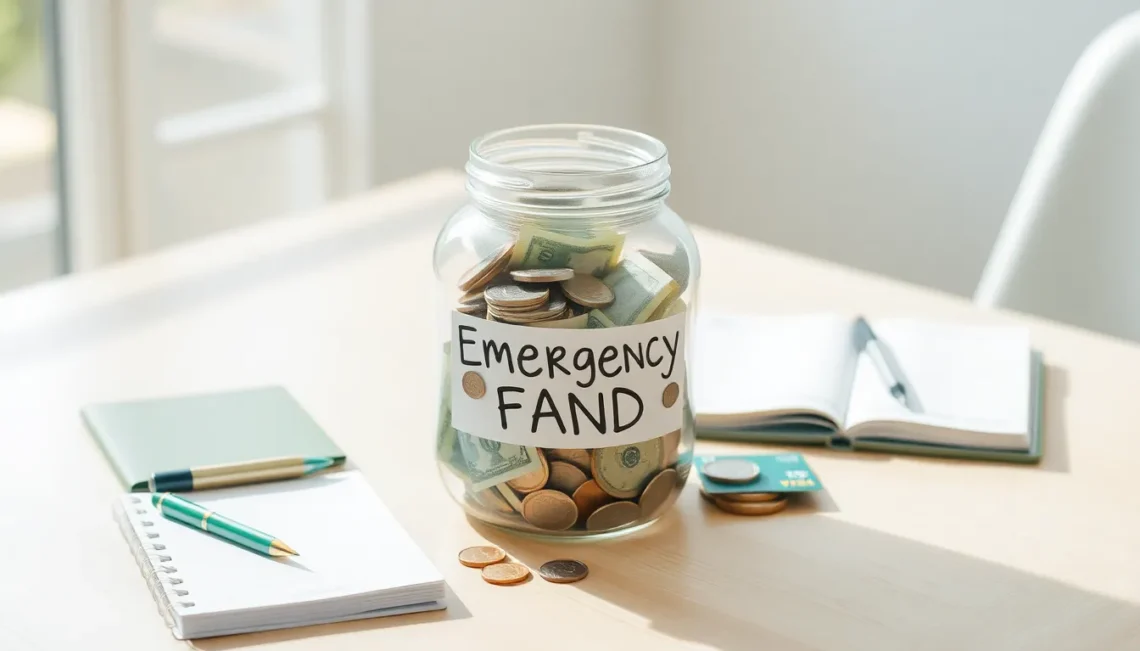
Life has a way of throwing curveballs when you least expect them. Your car breaks down on the way to work, a medical bill arrives that insurance won't cover, or your company announces layoffs. These moments can either derail your financial stability or become manageable bumps in the road - the difference comes down to whether you have an emergency fund. This financial safety net isn't just about having extra money sitting around. It's about protecting yourself from the stress and debt that unexpected expenses create, giving you breathing room when life gets complicated. Building one might feel overwhelming at first, but with the right approach, you can create a fund that actually works for your situation and gives you genuine peace of mind.
Understanding What an Emergency Fund Really Is
An emergency fund is a cash reserve specifically set aside for unplanned expenses or financial emergencies. Think of it as your financial shock absorber - money that sits separate from your regular checking account, untouched until a genuine emergency strikes. The key word here is emergency. We're talking about car repairs that prevent you from getting to work, medical bills that need immediate payment, urgent home repairs like a broken furnace in winter, or loss of income if you lose your job.
What doesn't count? That amazing sale on furniture you've been eyeing, a spontaneous weekend trip, or holiday gifts. The discipline to distinguish between wants and needs makes the difference between a fund that protects you and one that disappears before a real crisis hits. Most financial experts suggest saving three to six months' worth of essential living expenses in an emergency fund. That means rent or mortgage, utilities, groceries, insurance, minimum debt payments, and transportation - not your entire lifestyle budget including streaming services and dining out.
The range exists because your ideal target depends on your situation. If you're a single-income household, work in an unstable industry, or have irregular income as a freelancer, lean toward six months or more. If you have dual incomes, strong job security, and minimal dependents, three months might suffice. The goal is enough cushion to sleep at night without worrying that one unexpected expense will send you into debt.
Starting Small and Building Momentum
Looking at a goal of several thousand dollars can feel paralyzing, especially if you're living paycheck to paycheck. This is where many people give up before they start. Instead, many experts advise starting with a more attainable initial savings goal of $500 to $1,000 to cover common emergencies. This smaller milestone covers most minor emergencies - a car repair, a broken appliance, an urgent dental visit - without requiring months of saving before you see progress.
Once you hit that first milestone, the psychological shift is real. You've proven to yourself that you can save, and you have actual protection against small crises. From there, you can work toward the larger goal of three to six months of expenses. Break it down further: if you need $12,000 total and you're starting from $1,000, that's $11,000 more. Saving $200 per month gets you there in about four and a half years. Saving $400 per month cuts that to just over two years.
The path matters less than consistency. Automate transfers from your checking account to your emergency fund right after payday, treating it like any other bill. Even $50 per paycheck adds up. Look for money you can redirect: cancel subscriptions you rarely use, pack lunch twice a week instead of buying it, or put tax refunds and bonuses directly into the fund instead of spending them. Small changes compound over time.
Fun Facts & Trivia
- Emergency funds kept in savings or money market accounts are typically insured by the FDIC or NCUA, protecting your money up to certain limits even if the financial institution fails.
- Interest-bearing savings accounts allow your emergency fund to grow slightly over time while remaining easily accessible, unlike investments that can lose value or take time to liquidate.
- Financial advisors recommend keeping your emergency fund in a separate account from your regular checking to reduce the temptation to dip into it for non-emergencies.
- The three-to-six-month guideline for emergency savings is based on essential living expenses only, not your total monthly spending including discretionary purchases.
Where to Keep Your Emergency Fund
Location matters almost as much as the amount you save. It is recommended to keep your emergency fund in a safe, separate, and easily accessible account. This rules out investments like stocks or retirement accounts. When your transmission fails, you need cash now, not money tied up in the market that might be down 20% that week or locked behind early withdrawal penalties.
A high-yield savings account is often the sweet spot. These accounts, typically offered by online banks, pay higher interest rates than traditional brick-and-mortar banks while keeping your money liquid. You can transfer funds to your checking account within a day or two when needed. Money market accounts work similarly, sometimes offering check-writing privileges or debit cards for even faster access. The interest won't make you rich, but it helps your fund keep pace with inflation rather than losing purchasing power sitting in a zero-interest account.
Keep it separate from your everyday checking account. If your emergency fund sits in the same place you pay bills and swipe your debit card, the mental barrier disappears. That money becomes just more money, and you'll find reasons to spend it. A separate account creates friction - not so much that you can't access it in a real emergency, but enough to make you pause and ask whether this truly qualifies as urgent.
The Real Benefits Beyond the Obvious
Having an emergency fund helps you avoid debt, provides financial stability, protects your long-term financial goals, and reduces stress. Let's unpack what that actually means in daily life. When your water heater breaks, you call the plumber without panic. You don't have to choose between fixing it and paying rent. You don't put it on a credit card at 20% interest, creating a debt that takes years to pay off and costs you hundreds more than the original repair.
The stability extends to bigger decisions. With a solid emergency fund, you can leave a toxic job without immediately falling into crisis. You can negotiate better terms because you're not desperate. You can take calculated risks like starting a side business or going back to school because you have a buffer. Your long-term goals stay on track because you're not constantly raiding your retirement contributions or college savings to cover emergencies.
The stress reduction is harder to quantify but just as valuable. Financial anxiety affects your health, relationships, and work performance. Knowing you have a cushion changes how you move through the world. You sleep better. You focus better at work. You don't snap at your partner over money worries. The fund becomes more than just dollars in an account - it's permission to breathe.
Maintaining and Replenishing Your Fund
Building the fund is only half the battle. The real test comes when you actually need to use it. First, make sure you're using it for genuine emergencies, not convenient excuses. A broken laptop you need for work qualifies. Upgrading to the newest model because yours is two years old doesn't. Medical expenses, essential car repairs, and covering bills during unemployment all count. Vacation deals and holiday shopping don't.
When you do tap the fund, make replenishing it a priority. If you pull out $800 for a car repair, redirect money back into the fund until you're whole again. This might mean temporarily cutting back on other goals like extra debt payments or retirement contributions. That's okay - your emergency fund is the foundation that makes those other goals possible. Without it, you're building on sand.
As your life changes, so should your fund target. Got a promotion and higher expenses? Increase your fund. Had a baby? You need more cushion. Paid off your house? You might need less. Review your fund annually to make sure it still matches your situation. The number that felt right three years ago might be too little or too much now.
Conclusion
Creating an emergency fund isn't glamorous. It won't give you the satisfaction of a new purchase or the excitement of watching investments grow. But it provides something more valuable: security. The knowledge that when life throws its inevitable surprises your way, you're ready. You won't spiral into debt, sacrifice your long-term goals, or lie awake at night wondering how you'll manage. Start with that first $500 or $1,000. Automate your savings so it happens without thinking. Keep it separate and accessible. Then watch how differently you feel about money when you know you're covered. The peace of mind alone is worth every dollar you set aside, and the financial protection it provides can change the entire trajectory of your financial life.
FAQs
How long does it typically take to build a full emergency fund?
The timeline varies widely based on your income, expenses, and how much you can save each month. If you're targeting three months of expenses at $3,000 per month and can save $300 monthly, you're looking at about two and a half years. Saving $500 monthly cuts that to around 18 months. Most people find that starting with the smaller goal of $500 to $1,000 takes a few months, then building to the full amount takes one to three years. The key is consistency rather than speed - a fund you build slowly but maintain is better than aggressive saving you can't sustain.
Should I focus on paying off debt or building an emergency fund first?
This is one of the most common financial dilemmas. The balanced approach works best for most people: build that starter emergency fund of $500 to $1,000 first, then focus on paying off high-interest debt like credit cards, then return to building your full emergency fund. Without any emergency savings, you'll likely go deeper into debt the moment an unexpected expense hits, undoing your debt payoff progress. The small starter fund breaks that cycle while you tackle debt, then you can build the larger cushion once high-interest debt is gone.
Can I invest my emergency fund to earn better returns?
No, and this is a crucial distinction. Your emergency fund needs to be immediately accessible and stable in value. Investments like stocks can drop significantly right when you need the money most - imagine losing your job during a market downturn when your invested emergency fund is down 30%. The purpose of this money isn't growth, it's protection. Keep it in a savings account or money market account where the value stays stable and you can access it within days. Once your emergency fund is fully funded, then you can focus on investing additional savings for growth.