When cold and flu season arrives, the pharmacy shelves overflow with remedies promising quick relief. But before you stock up on synthetic solutions, you might want to look at what nature has to offer. Some natural remedies have genuine scientific backing, while others are just wishful thinking wrapped in marketing. The key is knowing which ones actually work and how to use them safely. Let's cut through the noise and focus on evidence-based natural approaches that can help you feel better faster when illness strikes.
Honey: The Sweet Science of Symptom Relief
Your grandmother was onto something when she stirred honey into hot tea for your cough. This golden remedy has natural antibacterial and antiviral properties that go beyond just coating your throat. Research shows honey can genuinely soothe a sore throat and suppress coughs, making those restless nights a bit more bearable.
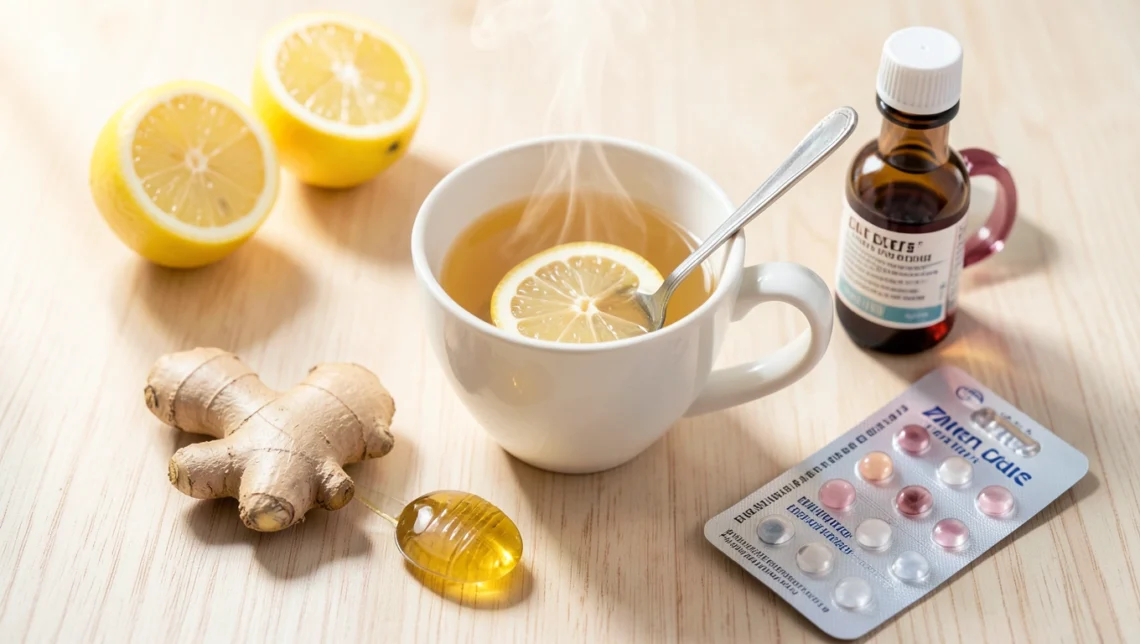
What makes honey particularly useful is its ability to help thin mucus and reduce mucus production, which can relieve that uncomfortable chest congestion. You don't need fancy manuka honey for basic cold relief - regular honey from your local store works fine. A spoonful straight or mixed into warm water with lemon provides comfort without the side effects of over-the-counter cough suppressants.
One critical safety note: never give honey to infants under 12 months old. Their digestive systems aren't mature enough to handle potential bacterial spores that can be present in honey, which could lead to serious illness. For everyone else, honey is generally safe and can be used as often as needed throughout the day.
Vitamin C and Zinc: Understanding the Real Benefits
Walk into any drugstore during cold season and you'll see vitamin C and zinc products everywhere. But what does the science actually say? The truth is more nuanced than the marketing suggests.
Vitamin C, also known as Ascorbic Acid, may decrease the duration and severity of cold symptoms once you're already sick. However, studies have not consistently shown that vitamin C supplementation reduces the incidence of colds in the general population. In other words, loading up on vitamin C won't necessarily prevent you from catching a cold in the first place. The exception? If you're undergoing strenuous physical activity - think marathon training or intense athletic performance - vitamin C may offer a significant reduction in cold incidence.
Zinc tells a similar story with a different angle. Zinc supplementation may reduce the duration of cold symptoms, though not necessarily the severity. Zinc lozenges, particularly zinc acetate and zinc gluconate providing more than 75 mg per day of elemental zinc, have shown promise in shortening colds in adults. The catch is that zinc can cause side effects like nausea and an unpleasant metallic taste, so you'll need to weigh the benefits against the discomfort.
Fun Facts & Trivia
- Cold and flu season typically begins in October, peaks between December and February, and can last all the way through May.
- Elderberry has been used for centuries as a folk medicine remedy for cold and flu symptoms, long before modern science began studying its effects.
- The effectiveness of Echinacea varies widely because different preparations use different parts of the plant and different extraction methods, making it hard to compare studies.
- Adults average several colds per year, while children can experience even more due to their developing immune systems and close contact in schools and daycare settings.
Elderberry and Echinacea: Traditional Remedies Under the Microscope
These two plant-based remedies have deep roots in traditional medicine, and modern research has started to examine whether the folk wisdom holds up. The results are interesting, if not entirely conclusive.
Elderberry supplements may shorten the duration of cold and flu symptoms by about two days, which can make a real difference when you're miserable and trying to get back to normal life. That said, one study examining its ability to prevent colds was inconclusive, so don't expect elderberry to act as a shield against getting sick in the first place. Think of it more as a tool to help you recover faster once symptoms appear.
Echinacea presents a more complicated picture. Some studies suggest that Echinacea decreased the odds of developing a common cold and the duration of a cold, which sounds promising. However, the overall evidence for clinically relevant treatment effects is considered weak, and preparations vary widely in quality and composition. You might find it provides a modest preventive benefit against uncomplicated upper respiratory infections, but don't expect miracles.
If you decide to try these remedies, buy from reputable manufacturers and follow dosing instructions carefully. Natural doesn't automatically mean safe for everyone, especially if you're taking other medications or have underlying health conditions.
What Doesn't Work and What to Skip
Just as important as knowing what works is understanding what doesn't. The cold remedy market is full of products with little to no scientific support, and wasting money on ineffective treatments means you're not focusing on approaches that could actually help.
Antibiotics won't help with colds or flu because these illnesses are caused by viruses, not bacteria. Taking antibiotics when you don't need them contributes to antibiotic resistance and can cause unnecessary side effects. Similarly, many over-the-counter combination cold medicines contain ingredients you don't need, and some can interact with other medications or cause drowsiness at inconvenient times.
The best approach combines evidence-based natural remedies with common-sense self-care. Rest matters more than most people realize - your body needs energy to fight off infection. Staying hydrated helps thin mucus and prevents dehydration from fever. Using a humidifier can ease congestion and soothe irritated airways. These simple measures don't cost much and have no side effects.
Remember that most colds resolve on their own within a week to ten days. If your symptoms worsen, persist beyond two weeks, or include high fever, difficulty breathing, or severe pain, see a healthcare provider. Natural remedies can support your recovery, but they're not a substitute for medical care when you genuinely need it.
Conclusion
Natural remedies for cold and flu can be genuinely helpful when you choose the ones backed by real evidence. Honey soothes coughs and eases congestion. Vitamin C and zinc may shorten symptom duration, though they won't prevent you from getting sick. Elderberry and Echinacea show some promise but come with caveats about quality and consistency.
The most effective strategy combines these natural approaches with adequate rest, hydration, and patience. Your immune system is remarkably capable when you give it the support it needs. Skip the remedies with no scientific backing, avoid antibiotics for viral infections, and know when to seek professional medical help. Cold and flu season is inevitable, but suffering through it unnecessarily isn't. Stock your medicine cabinet with the remedies that actually work, and you'll be better prepared when the next bug comes around.
FAQs
Can vitamin C prevent me from catching a cold?
For most people, vitamin C supplementation does not reduce the incidence of colds. However, if you're engaged in strenuous physical activity like intense training or athletic competition, vitamin C may offer a significant reduction in cold incidence. Once you're already sick, vitamin C may help decrease the duration and severity of symptoms.
How much zinc should I take to shorten a cold?
Zinc lozenges providing more than 75 mg per day of elemental zinc, particularly zinc acetate and zinc gluconate, have shown effectiveness in shortening colds in adults. Start taking them as soon as symptoms appear for best results. Be aware that zinc can cause side effects like nausea and a metallic taste, so consider whether the benefits outweigh the discomfort for you.
Is honey safe for everyone with a cold?
Honey is safe and effective for most people, but never give it to infants under 12 months old due to the risk of botulism. For older children and adults, honey can soothe sore throats, suppress coughs, and help thin mucus. You can take it straight, mix it into warm water or tea, or combine it with lemon for additional comfort.