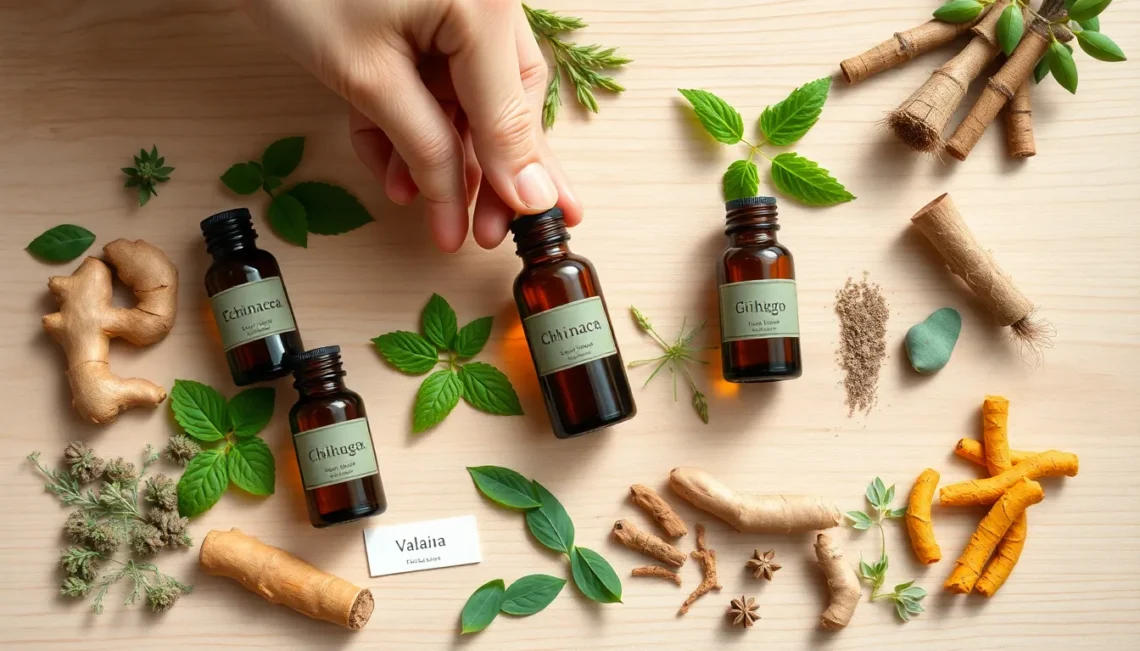
Walk into any health store and you'll find shelves lined with bottles promising natural healing. Echinacea for colds, ginkgo for memory, St. John's wort for mood. The herbal remedy market has exploded, with millions of people turning to plant-based treatments as alternatives or complements to conventional medicine. But here's the uncomfortable truth: natural doesn't automatically mean safe, effective, or even what the label claims. Some herbal remedies have genuine therapeutic value backed by research. Others are expensive placebos at best, dangerous at worst. The challenge isn't whether herbs can heal - many modern medicines originated from plants - but rather sorting legitimate remedies from marketing hype, understanding real risks, and knowing when traditional wisdom aligns with scientific evidence.
The Natural Fallacy: Why Plant-Based Doesn't Mean Risk-Free
We've been conditioned to think of herbal remedies as gentle, safe alternatives to harsh pharmaceutical drugs. It's a comforting narrative, but it ignores basic biology. Plants produce chemical compounds - sometimes powerful ones - as defense mechanisms against predators and environmental stress. These same compounds can have strong effects on human physiology.
Consider comfrey, traditionally used for wound healing. It contains pyrrolizidine alkaloids that can cause severe liver damage with repeated use. Kava, popular for anxiety relief, has been linked to liver toxicity in some users. Even common remedies carry risks. Ginkgo biloba can increase bleeding risk, particularly problematic if you're taking blood thinners or facing surgery. St. John's wort, widely used for mild depression, interferes with numerous medications including birth control pills, blood thinners, and some cancer treatments.
The interaction issue is particularly concerning because many people don't tell their doctors about herbal supplements. They assume these natural products won't interfere with prescription medications. That assumption can be dangerous. Your liver processes both pharmaceutical drugs and herbal compounds using the same enzyme systems. When an herb speeds up or slows down these enzymes, it changes how your body handles your prescription medications - sometimes dramatically.
Allergic reactions present another risk. Just because something grows in nature doesn't mean your immune system will welcome it. People allergic to ragweed may react to chamomile or echinacea. Those with plant allergies need to approach herbal remedies with the same caution they'd apply to any new substance.
How Herbal Remedies Actually Work
If you're expecting herbal remedies to work like popping an aspirin for a headache, you'll likely be disappointed. Herbal remedies typically work gradually by supporting the body's natural healing processes, rather than providing instant relief like many pharmaceutical drugs. This fundamental difference in mechanism explains both why herbs can be valuable and why they're often misunderstood.
Take turmeric, which contains curcumin, a compound with anti-inflammatory properties. It doesn't block pain signals the way ibuprofen does. Instead, it may help reduce inflammation over time through multiple pathways in your cells. You won't feel immediate relief after one dose. Consistent use over weeks might help with chronic inflammatory conditions, but it's a gradual process.
This slow-acting nature isn't a weakness - it's often how these remedies evolved to work. Valerian root for sleep doesn't knock you out like a prescription sleep aid. It appears to increase levels of GABA, a calming neurotransmitter, but the effect builds with regular use. The problem comes when people expect pharmaceutical-speed results from botanical products, then either give up too quickly or dangerously increase their doses.
Speaking of doses, more isn't better with herbal remedies. Taking high doses of herbal remedies is not necessarily better and can lead to negative effects, such as grogginess from too much valerian root or interactions with other medications. Each herb has an effective range. Below that range, you might not see benefits. Above it, you risk side effects without additional benefit. The challenge is that optimal dosing for herbal products is often less well-established than for pharmaceutical drugs.
Fun Facts & Trivia
- Interestingly, regulation of herbal products varies widely by country, and in some regions, they are classified as dietary supplements, meaning they don't undergo the same rigorous premarket approval for safety and efficacy as conventional medicines.
- Worth noting: natural does not always mean safe for herbal remedies, as some can have strong effects, interact with prescription medications, or cause allergic reactions.
- Here's something many people don't realize: herbal remedies typically work gradually by supporting the body's natural healing processes, rather than providing instant relief like many pharmaceutical drugs.
- A common misconception: taking high doses of herbal remedies is not necessarily better and can lead to negative effects, such as grogginess from too much valerian root or interactions with other medications.
The Regulation Gap and What It Means for You
When you pick up a prescription medication, you know it's been through years of testing. Clinical trials. Safety reviews. Manufacturing standards. The bottle contains what the label says in the amounts specified. Herbal products? That's a different story entirely.
Regulation of herbal products varies widely by country, and in some regions, they are classified as dietary supplements, meaning they don't undergo the same rigorous premarket approval for safety and efficacy as conventional medicines. In the United States, for example, the FDA doesn't test herbal supplements before they hit store shelves. Manufacturers are responsible for ensuring their products are safe, but they don't have to prove effectiveness or submit safety data before selling them.
This regulatory gap creates real problems. Independent testing has repeatedly found herbal products that don't contain the herbs listed on the label. Some contain different herbs entirely. Others have the right herb but in amounts far different from what's claimed. Contamination with heavy metals, pesticides, or even pharmaceutical drugs has been documented. You might think you're taking a pure herbal remedy when you're actually getting a cocktail of unknown substances.
Quality varies dramatically between brands. Some companies follow pharmaceutical-grade manufacturing practices, test their products rigorously, and stand behind their quality. Others are essentially unregulated operations putting whatever they want in bottles. As a consumer, distinguishing between them isn't easy. Third-party testing certifications from organizations like USP or NSF can help, but they're voluntary and not universal.
This doesn't mean all herbal products are suspect. It means you need to be a more informed consumer than you would be with prescription medications. Research the company. Look for third-party testing. Be skeptical of wild claims. Understand that the bottle might not contain exactly what you think it does.
Separating Evidence from Marketing
The herbal remedy market thrives on testimonials, tradition, and carefully worded health claims. Someone's grandmother used it. Ancient healers relied on it. Thousands of five-star reviews praise it. But anecdotes aren't evidence, and traditional use doesn't guarantee effectiveness or safety.
Some herbal remedies do have solid research behind them. Peppermint oil for irritable bowel syndrome has been studied in clinical trials with positive results. Ginger for nausea has reasonable evidence supporting its use. Saw palmetto for prostate symptoms has been researched extensively, though results are mixed. These aren't miracle cures, but they're legitimate options worth discussing with your healthcare provider.
Other popular remedies have far less support. Detox teas that promise to cleanse your liver? Your liver cleanses itself - that's literally its job. Herbal supplements claiming to boost your immune system? Your immune system is complex, and "boosting" it isn't necessarily desirable or even a coherent concept. Weight loss herbs that promise effortless fat burning? If they worked as advertised, obesity wouldn't be a global health challenge.
Watch for red flags in marketing. Claims that sound too good to be true usually are. Products marketed as cures for serious diseases. Testimonials from people who look suspiciously like stock photo models. Pressure to buy now before the secret gets out. These are signs you're looking at marketing, not medicine.
Good information exists if you know where to look. The National Center for Complementary and Integrative Health provides evidence-based information on herbal remedies. Medical databases like PubMed let you see actual research. Your healthcare provider can help you evaluate whether a specific remedy makes sense for your situation. These resources won't be as exciting as the marketing copy, but they'll give you a realistic picture of what works and what doesn't.
Conclusion
Herbal remedies occupy an uncomfortable middle ground in modern healthcare. They're not the dangerous frauds that some critics claim, but they're also not the miracle cures that marketing suggests. Some have genuine therapeutic value. Others are placebos with good branding. Many fall somewhere in between - potentially helpful for some people, in some situations, when used appropriately.
The key is approaching them with the same critical thinking you'd apply to any health decision. Natural doesn't mean safe. Traditional doesn't mean effective. And expensive doesn't mean better. Research the specific remedy you're considering. Buy from reputable sources. Tell your healthcare providers what you're taking. Start with appropriate doses rather than assuming more is better. And maintain realistic expectations about what these products can and cannot do.
Herbal remedies can be part of a thoughtful approach to health, but they work best as complements to, not replacements for, evidence-based medical care. Your body deserves better than blind faith in either conventional medicine or alternative remedies. It deserves informed decisions based on the best available evidence, honest assessment of risks and benefits, and recognition that health is rarely as simple as taking the right pill - whether that pill comes from a pharmacy or a health food store.
FAQs
Can I take herbal remedies alongside my prescription medications?
Sometimes yes, sometimes no - it depends entirely on the specific herb and medication. Many herbal remedies interact with prescription drugs, either reducing their effectiveness or increasing side effects. St. John's wort, for example, interferes with numerous medications including antidepressants, birth control, and blood thinners. Ginkgo can increase bleeding risk when combined with anticoagulants. Always tell your doctor and pharmacist about every herbal product you're taking. They can check for potential interactions and help you make informed decisions about what's safe to combine.
How do I know if an herbal remedy is actually working?
This can be tricky because herbal remedies typically work gradually rather than providing immediate relief. Keep a symptom journal before starting any herbal treatment, noting the frequency and severity of whatever you're trying to address. Continue tracking for several weeks after starting the remedy. Look for gradual trends rather than dramatic overnight changes. Be honest with yourself about whether you're seeing real improvement or just hoping the expensive bottle is doing something. If you see no change after a reasonable trial period - usually several weeks to a few months depending on the condition - the remedy probably isn't working for you.
Are expensive herbal supplements better quality than cheaper ones?
Not necessarily. Price doesn't reliably predict quality in the herbal supplement market. Some expensive products are genuinely higher quality with better sourcing, testing, and manufacturing practices. Others are just clever marketing with premium pricing. Instead of relying on price, look for third-party testing certifications from organizations like USP, NSF, or ConsumerLab. Check whether the company provides certificates of analysis showing what's actually in their products. Research the manufacturer's reputation and transparency. A moderately priced product from a company that tests rigorously and publishes results is better than an expensive product from a company that makes grand claims but provides no verification.