Summer afternoons stretch endlessly when school's out, and keeping kids entertained without defaulting to screens can feel like a full-time job. The hours between lunch and dinner seem to multiply, and suddenly you're fielding complaints of boredom while trying to manage your own tasks. The good news is that long summer afternoons offer a perfect opportunity to blend fun with learning, movement with creativity, and independence with family bonding. With a little planning and some simple materials, you can turn those lazy hours into memorable experiences that keep kids engaged, active, and genuinely happy.
Creative Arts and Crafts That Actually Hold Their Attention
Arts and crafts projects work wonders for summer afternoons because they combine creativity with tangible results kids can be proud of. The key is choosing projects that match your child's age and attention span while offering enough variety to keep things interesting throughout the season.
Painting plant pots to look like watermelons or other fruits gives kids a functional craft they can use for real gardening projects. Cardboard roll flowers made from toilet paper tubes and paint create colorful decorations, while puffy paint ice cream cones let kids experiment with texture and color mixing. Coffee filter butterflies are particularly satisfying because the markers bleed and blend when you spray them with water, creating unexpected patterns that feel almost magical.
Suncatchers made from contact paper and tissue paper scraps can occupy kids for an hour or more, especially if you let them design their own patterns. The process of peeling, sticking, and arranging small pieces develops fine motor skills while the finished product catches afternoon light beautifully. Paper plate crafts offer endless possibilities, from masks to animals to seasonal decorations, and the materials are inexpensive enough that you won't worry about waste or mistakes.
Set up a dedicated craft station with supplies organized in clear containers so kids can access materials independently. This encourages creative play without constant supervision and teaches organizational skills along the way.
Nature-Based Activities That Get Them Outside
Getting kids outdoors during summer afternoons serves double duty by providing entertainment and fresh air. Nature-based activities don't require expensive equipment or elaborate planning, just a willingness to explore your immediate environment.
Nature scavenger hunts work brilliantly because you can customize them for any age and location. Create lists that include items like smooth rocks, feathers, different leaf shapes, or things that smell interesting. Younger children enjoy collecting items in a bucket, while older kids can photograph their finds or sketch them in a nature journal. These hunts encourage observation skills and teach kids to notice details they'd normally walk past.
Gardening projects give children ownership over living things and teach patience as they watch plants grow over weeks. Even apartment dwellers can grow herbs in containers or start a small vegetable garden on a balcony. Kids learn about plant life cycles, responsibility for watering and care, and the satisfaction of eating something they grew themselves. Building fairy houses from twigs, leaves, and natural materials sparks imaginative play while connecting children to their outdoor space.
Bird watching introduces kids to local wildlife without requiring travel. Set up a simple bird feeder near a window where kids can observe visitors, then help them identify species using a basic field guide or app. The quiet observation required for bird watching can be surprisingly calming for energetic children and builds focus skills.
Fun Facts & Trivia
- Many libraries offer free summer reading programs with workshops and activities designed specifically to prevent learning loss during the break.
- Water play activities like sprinklers and water balloons help develop gross motor skills while providing natural cooling on hot afternoons.
- Simple science experiments at home can introduce children to STEM concepts in ways that feel like play rather than formal learning.
- Backyard camping creates adventure without the logistics of actual travel, letting families enjoy outdoor experiences in familiar surroundings.
Active Play That Burns Energy Productively
Physical activity becomes essential during long summer afternoons when kids have energy to burn and limited outlets for it. The goal is finding activities that feel like fun rather than forced exercise while developing coordination and strength.
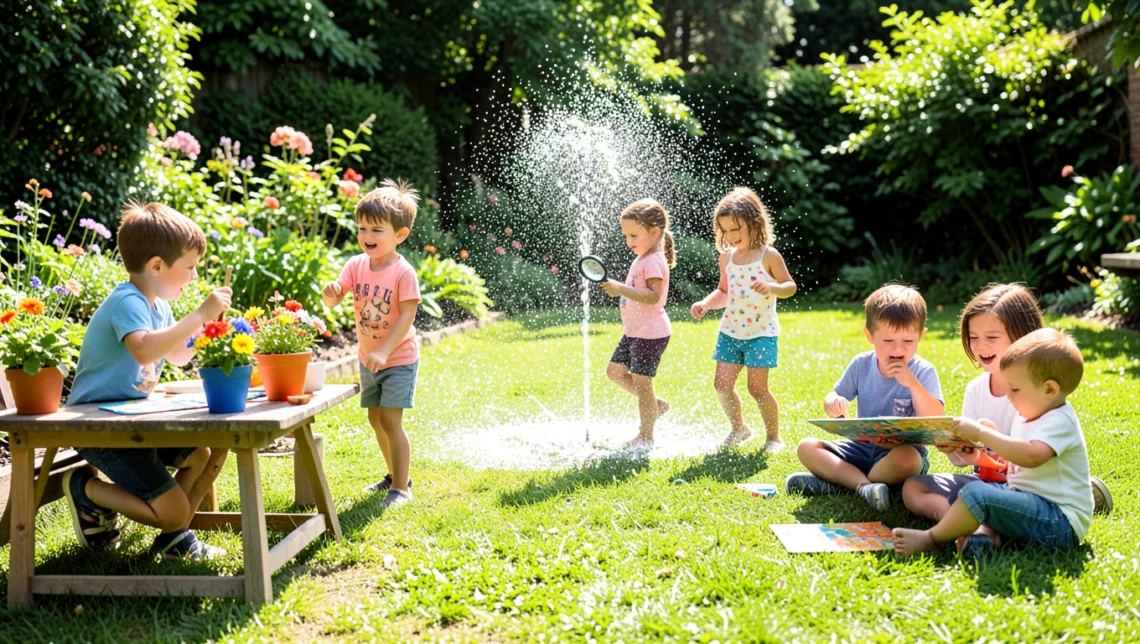
Water play remains the summer afternoon gold standard for good reason. Sprinklers, water balloons, and slip-and-slides provide cooling relief while encouraging running, jumping, and active play. Even a simple bucket of water with sponges and paintbrushes lets kids "paint" sidewalks and fences, watching their artwork disappear as it dries and starting over again. Water play naturally regulates itself because kids can cool down while staying active.
Outdoor obstacle courses built from household items challenge kids to problem-solve while moving. Use hula hoops to jump through, pool noodles to limbo under, and chalk lines to balance on. Time kids as they complete the course and let them redesign it to make it harder or easier. Bike riding, scootering, or roller skating around the neighborhood combines transportation with exercise and gives older kids some independence.
Neighborhood scavenger hunts that require physical movement work well for groups of kids. Create lists that include challenges like "find a red door," "spot a dog," or "locate a house number that adds up to ten." This gets kids walking, observing their community, and working together. Indoor alternatives like dance parties to favorite music or building elaborate blanket forts provide active options when weather doesn't cooperate or you need to stay inside.
Learning Activities That Don't Feel Like School
Summer afternoons offer chances to keep kids learning without the pressure of formal schoolwork. The trick is packaging educational content in ways that feel entertaining rather than academic. PBS Kids suggests trying new activities that blend learning with summer fun, making education feel natural rather than forced.
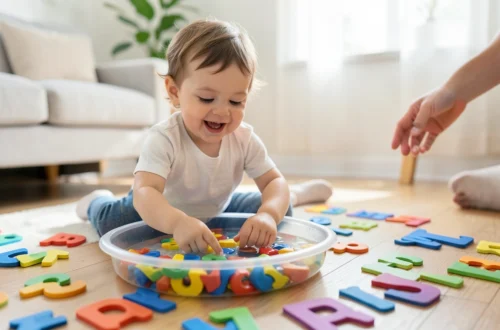
Board games and puzzles develop critical thinking and problem-solving skills while providing family bonding time. Strategy games teach planning ahead, while cooperative games build teamwork. Puzzles improve spatial reasoning and patience, especially when kids work on larger, more complex designs over several days. Keep a rotation of games available so kids don't get bored with the same options.
Writing projects like summer journals or story creation let kids practice literacy skills while documenting their experiences. Younger children can draw pictures and dictate stories for you to write, while older kids can maintain daily journals or write fictional stories. Some kids enjoy creating comic books or graphic novels, combining writing with illustration.
Cooking and baking together teaches math through measuring, science through observing how ingredients change with heat, and reading through following recipes. Let kids choose recipes they want to try, help with age-appropriate tasks, and enjoy the results together. Simple projects like no-bake cookies, smoothies, or homemade pizza give kids confidence in the kitchen while creating snacks for those long afternoons.
Conclusion
Long summer afternoons don't have to mean boredom or excessive screen time. By mixing creative projects, outdoor exploration, physical activity, and disguised learning opportunities, you can create a summer rhythm that keeps kids engaged without exhausting yourself. The best approach combines structured activities with free play time, giving children both guidance and independence. Not every afternoon needs elaborate planning - sometimes the simplest activities like cloud watching or building with cardboard boxes create the most memorable moments. Focus on variety rather than perfection, and remember that boredom itself can spark creativity when kids learn to entertain themselves. Stock up on basic craft supplies, identify outdoor spaces you can use regularly, and keep a mental list of go-to activities for different moods and energy levels. Summer afternoons become easier when you have options ready and kids know what's available to them.
FAQs
How can I keep kids busy without spending a lot of money?
Focus on activities using materials you already have at home or can find in nature. Cardboard boxes, old magazines for collages, sidewalk chalk, and basic art supplies like crayons and paper cost very little. Nature walks, scavenger hunts, water play with the garden hose, and outdoor games require minimal investment. Many libraries offer free summer programs with activities and reading challenges. Cooking projects use ingredients you'd buy anyway, and building forts from blankets and furniture costs nothing while providing hours of imaginative play.
What activities work well for mixed age groups?
Choose activities that allow different skill levels to participate together. Scavenger hunts can have age-appropriate lists for each child. Craft projects work when older kids help younger ones or tackle more complex versions of the same project. Outdoor games like hide-and-seek, tag variations, or water play naturally accommodate different ages. Cooking lets each child contribute based on their abilities, from stirring to measuring to decorating. Movie time, story reading, and music activities bring everyone together regardless of age differences.
How do I balance screen time with other activities during summer?
Set clear daily limits for recreational screen time and stick to them consistently. Create a visual schedule showing when screens are available and when other activities happen. Require kids to complete certain activities like outdoor time, reading, or chores before earning screen time. Designate screen-free times like during meals or the first hour after waking up. Offer engaging alternatives so kids aren't defaulting to screens out of boredom. When screens are allowed, choose educational content or creative apps over passive watching when possible, and consider making some screen time social by watching or playing together.