Bringing a newborn home is one of the most joyful and nerve-wracking experiences you'll ever have. You've prepared the nursery, washed the tiny clothes, and read every baby book you could find. But when it comes to sleep, the stakes feel incredibly high. Creating a safe sleep environment isn't just about comfort - it's about protecting your baby from preventable risks like sudden infant death syndrome (SIDS) and accidental suffocation. The good news is that safe sleep doesn't require expensive gadgets or complicated setups. It comes down to a few clear, evidence-based principles that every parent can follow from day one.
The Foundation: Alone, on Their Back, in a Safe Space
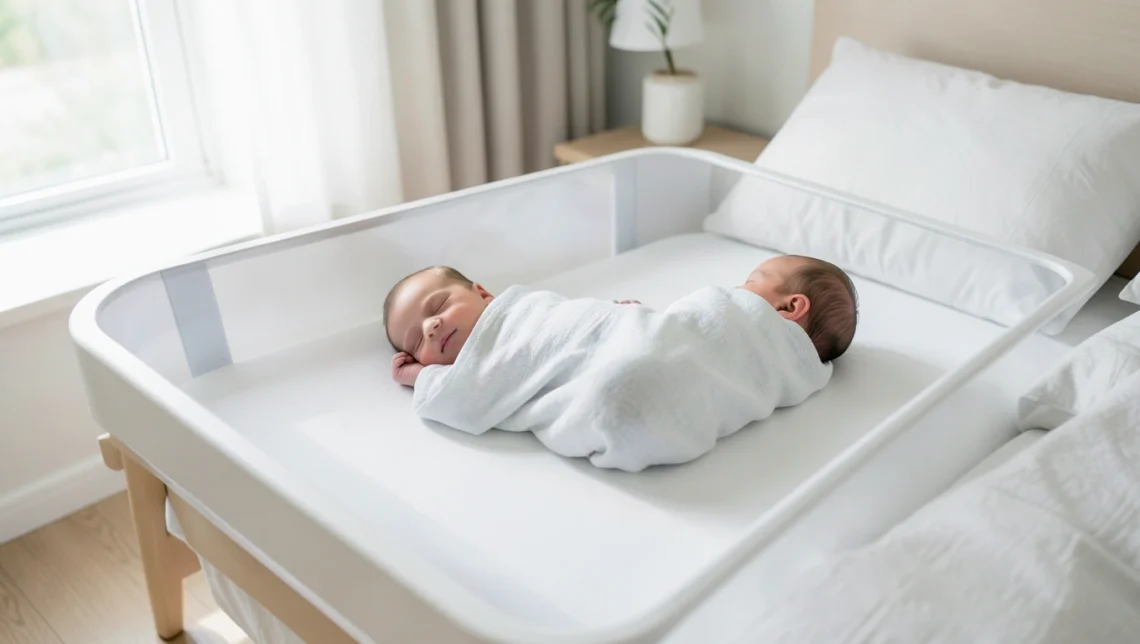
The core of safe infant sleep can be summed up in three words: alone, back, crib. Your baby should always sleep on their back on a firm, flat surface in their own sleep space. That means a crib, bassinet, or play yard that meets current safety standards, with a fitted sheet and nothing else.
Why the back? Babies who sleep on their stomachs or sides have a higher risk of SIDS because they can rebreathe exhaled carbon dioxide or have their airways blocked. The back-sleeping position keeps airways clear and has been the single most effective intervention in reducing SIDS deaths since the 1990s. Even if your baby seems to prefer sleeping on their stomach or rolls to their side, always place them on their back to start. Once they can roll both ways on their own, you don't need to reposition them during the night, but you should still start every sleep on their back.
The sleep surface matters just as much as the position. Soft mattresses, couches, armchairs, and adult beds create pockets and gaps where a baby's face can sink in or become trapped. A firm crib mattress with a tightly fitted sheet provides the flat, breathable surface babies need. If you can press down on the mattress and it springs back quickly without leaving an indentation, it's firm enough.
Room-Sharing Without Bed-Sharing
One of the most protective steps you can take is to keep your baby's sleep space in your room for at least the first six months. Room-sharing can reduce the risk of SIDS by as much as 50%, making it easier to monitor your baby, respond to their needs, and feed them during the night without the dangers of bed-sharing.
Room-sharing means your baby sleeps in the same room as you, but on a separate surface. A bassinet or crib placed next to your bed gives you proximity without the risks. Bed-sharing, on the other hand, significantly increases the risk of suffocation, entrapment, and strangulation. Adult beds have soft bedding, pillows, gaps between the mattress and headboard, and the risk of an adult rolling onto the baby. Even if you're breastfeeding and want your baby close, the safest approach is to feed them in your bed if you like, then move them back to their own sleep space before you fall asleep.
If you're exhausted and worried you might fall asleep while feeding, make sure your bed is as safe as possible in that moment. Remove pillows, blankets, and any soft items, and keep the baby away from the edge. But the goal is always to return them to their crib or bassinet once feeding is done.
Fun Facts & Trivia
- Swaddling can help newborns sleep more soundly, but it should stop around 8 weeks old or as soon as your baby shows signs of trying to roll over.
- After the swaddling phase ends, a sleep sack with the baby's arms out provides warmth without the suffocation risk of loose blankets.
- Car seats, swings, and bouncers are designed for awake time or travel, not routine sleep - if your baby falls asleep in a car seat during a trip, move them to a crib once you arrive home.
- Pacifiers used at sleep time may offer some protection against SIDS, though researchers are still working to understand exactly why.
Keeping the Sleep Space Clear
It's tempting to make your baby's crib cozy with blankets, stuffed animals, and soft bumpers. But every item you add increases the risk. Soft bedding can cover a baby's face, block their airway, or cause them to overheat. Babies don't have the motor skills or strength to move objects away from their face if they shift during sleep, so a clear crib is a safe crib.
That means no pillows, no blankets, no stuffed toys, and no crib bumpers. Crib bumpers were once marketed as a way to prevent babies from bumping their heads or getting limbs stuck between slats, but they pose a far greater risk of suffocation and entrapment than the minor bumps they're meant to prevent. Modern cribs are designed with slat spacing that keeps babies safe without any padding.
If you're worried about your baby getting cold, dress them in a sleep sack or a footed sleeper instead of using a blanket. You can gauge whether they're too warm by feeling the back of their neck - it should be warm but not sweaty. Overheating is a known risk factor for SIDS, so it's better to err on the side of one less layer than one too many.
The same rule applies to toys and loveys. Save those for supervised playtime. At night, the crib should contain only the baby, the mattress, and the fitted sheet.
What About Sleep Devices and Positioners?
Walk through any baby store and you'll see dozens of products marketed to help babies sleep better or safer. Wedges, positioners, inclined sleepers, and dock-style loungers all promise peace of mind, but many of them introduce new risks rather than reducing them. Babies should sleep on a flat surface, not an incline, and they don't need anything to hold them in place.
Inclined sleepers have been linked to multiple infant deaths and have been recalled or pulled from the market. The angle can cause a baby's head to fall forward, restricting their airway. Even a seemingly small incline can be dangerous for a baby who can't yet reposition themselves.
Sleep positioners and wedges are also unnecessary and unsafe. Babies don't need help staying on their backs - the flat surface and proper placement do that job. Adding a positioner just introduces another object that could shift, tip, or block the baby's breathing.
If a product wasn't specifically designed and tested as a safe sleep surface, don't use it for sleep. Swings, bouncers, and loungers are fine for supervised awake time, but they're not substitutes for a crib or bassinet. Even car seats should only be used for sleep during travel - once you're home, transfer your baby to their crib even if it means waking them up.
Conclusion
Safe sleep for a newborn doesn't require a long checklist or a nursery full of gadgets. It requires a firm, flat sleep surface, a clear crib, and the commitment to always place your baby on their back. Room-sharing gives you the closeness and convenience you need during those exhausting early months while keeping your baby in their own safe space. It's not always easy to resist the urge to add a soft blanket or let your baby nap in a swing, but the evidence is clear: simple, consistent safe sleep practices save lives. Trust the basics, follow the guidelines, and give yourself credit for doing one of the most important things you can do as a new parent.
FAQs
Can I use a DockATot or similar baby lounger for sleep?
No. Products like the DockATot are not designed or tested as safe sleep surfaces. They have soft, padded sides and a non-firm base, both of which increase the risk of suffocation. These loungers are fine for supervised awake time on the floor, but babies should always sleep in a crib, bassinet, or play yard with a firm, flat mattress.
What should I do if my baby only sleeps well on their stomach?
Always place your baby on their back to sleep, even if they seem to prefer their stomach. Stomach sleeping significantly increases SIDS risk. If your baby rolls to their stomach on their own after you've placed them on their back, and they can roll both ways, you don't need to keep flipping them over during the night. But every sleep should start on their back.
How long should my baby sleep in my room?
Room-sharing is recommended for at least the first six months, and ideally for the first year. This arrangement makes nighttime feedings easier and allows you to monitor your baby closely during the highest-risk period for SIDS. After six months, the risk decreases, but many families continue room-sharing for convenience and peace of mind.