Every new parent has been there - staring at a nursery full of gadgets and gear that seemed absolutely essential before baby arrived, only to realize months later that half of it never left the box. The baby industry is massive, and it's easy to get swept up in the must-have lists and registry recommendations. But the reality is that many items marketed as necessities end up collecting dust while simpler solutions win the day.
Understanding which baby items other parents rarely use can save you money, space, and the frustration of dealing with products that don't fit your family's rhythm. Every baby is different, and what works for one household might be completely impractical for another. Let's look at the baby gear that parents most commonly report never using, and why these seemingly essential items often miss the mark.
The Clothing Conundrums That Never Quite Fit
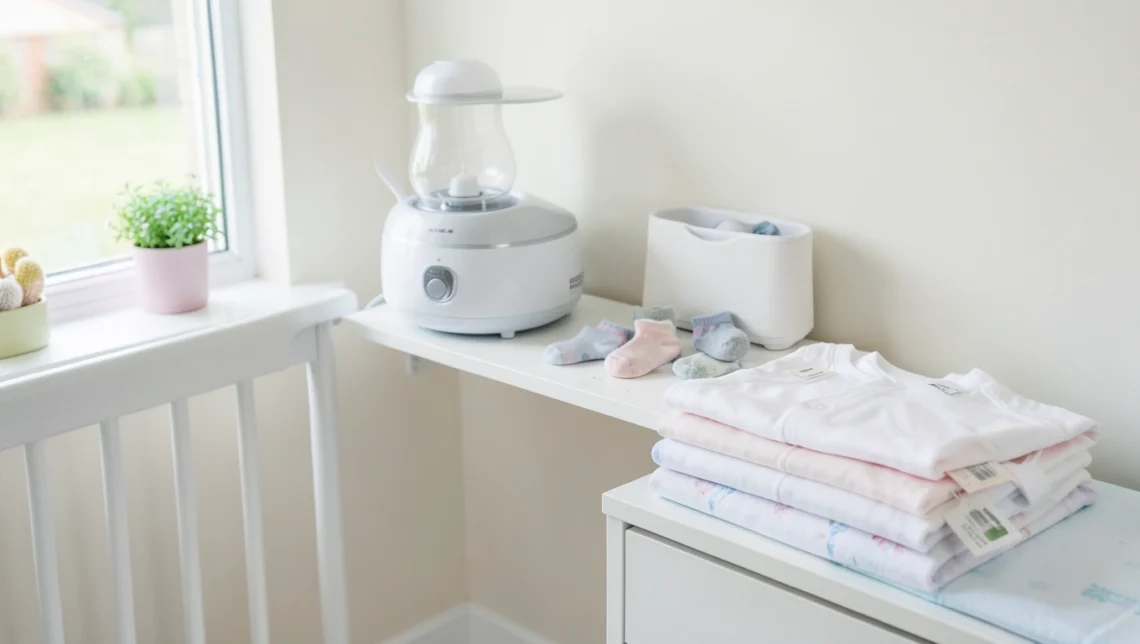
Baby socks top the list of items parents wish they'd skipped. These tiny fabric tubes are notoriously impossible to keep on a newborn's feet, and parents report losing them constantly - in the laundry, around the house, or mysteriously vanishing into thin air. The frustration of hunting for matching socks or finding just one lonely sock in the dryer leads many parents to abandon them entirely in favor of footed pajamas or baby slippers with ankle ties that actually stay put.
Newborn-sized clothing presents a different problem. Babies grow at an astonishing rate during their first weeks of life, and many infants outgrow the newborn size within days or weeks of birth. Some babies are even too large for newborn sizes right from the start. Parents often find themselves with drawers full of adorable tiny outfits that were worn once or never at all. Starting with size 0-3 months or having just a few newborn pieces on hand proves more practical for most families, though it's hard to resist those impossibly small onesies.
The reality is that babies spend most of their early days in simple, comfortable sleepers that make diaper changes easy. Fancy outfits with buttons, snaps in awkward places, or delicate fabrics that require special washing often stay in the closet. Parents quickly learn that function beats fashion when you're changing diapers multiple times a day and dealing with frequent spit-up.
Feeding and Warming Gadgets That Miss the Mark
Bottle warmers seem like a logical purchase, but many parents find they never use them. The Munchkin Warm Glow Baby and Infant Wipe Warmer costs $28.99, and while wipe warmers have their fans, bottle warmers face similar skepticism. Some parents discover their babies are perfectly happy drinking bottles at room temperature or even slightly cool. Others find that a simple mug of hot water warms a bottle just as effectively and costs nothing extra.
The inconsistency of some bottle warmers frustrates parents too. Heating times can vary, and when you have a hungry baby crying at 3 AM, you don't want to fiddle with settings or wait for a gadget to do what hot water can do in a minute. The countertop space these devices occupy is another consideration in kitchens that are already crowded with baby bottles, formula containers, and other feeding supplies.
Wipe warmers fall into a similar category. The Munchkin Touch Free Baby Wipe Warmer with Nightlight & Motion Sensor is priced at $29.97, down from $49.99, and the Hiccapop Wipe Warmer costs $34.99. While some parents swear by warm wipes for soothing babies during nighttime changes, others find that room-temperature wipes work fine, or they simply warm the wipe between their hands for a second before use. The added expense and the risk of wipes drying out in the warmer make many parents skip this purchase entirely.
Fun Facts & Trivia
- The Munchkin Warm Glow wipe warmer can hold 100 wipes and features a top-warming system to keep the top wipes warmest.
- The Hiccapop Wipe Warmer is compatible with both 120V and 240V outlets, making it usable internationally without a converter.
- Metal diaper pails like the Ubbi are non-porous, which helps keep smells locked inside better than plastic alternatives.
- The Ubbi Steel Diaper Pail can hold about 20 larger diapers but up to 55 newborn-sized diapers due to their smaller size.
- Ubbi Steel Diaper Pails work with standard kitchen garbage bags, potentially saving money compared to systems requiring proprietary refills.
Diapering Stations and Odor Control That Don't Deliver
Changing tables are a classic example of baby furniture that looks perfect in the nursery but doesn't always work in practice. Many parents find that once their baby becomes mobile and wiggly, the elevated changing table becomes more of a safety concern than a convenience. Babies don't stay still, and wrestling a squirming infant on a raised surface several feet off the ground can be nerve-wracking.
The solution many parents gravitate toward is simpler and safer - a changing pad or towel on the bed, floor, or even the couch. These surfaces are lower to the ground, reducing fall risk, and they're often more convenient since you're not confined to one room for diaper changes. Some parents use their changing table as a dresser or storage space instead, making it functional furniture even if it's not used for its intended purpose.
Dedicated diaper pails are another item that divides parents. The Diaper Genie Classic Diaper Pail is priced at $27.99 and features a clamp design with multi-layer refill bags, while the Ubbi Steel Diaper Pail allows you to use standard kitchen garbage bags. Despite these features, many parents find that a regular trash can with a tight lid and frequent emptying works just as well for odor control, especially if you take the trash out daily or keep it in the garage.
The ongoing cost of proprietary refill bags for some diaper pail systems adds up over time, making the initial purchase just the beginning of the expense. Parents who live in apartments or homes where taking out the trash is quick and easy often skip the specialized diaper pail entirely. Those who do use them sometimes report that the odor control isn't as miraculous as advertised, particularly as babies start eating solid foods and diapers become more pungent.
Why These Items End Up Unused
The common thread among unused baby items is that they solve problems parents think they'll have before the baby arrives, but the reality of daily life with an infant often looks different than expected. Babies have their own preferences - some hate having their feet covered, others don't mind cold wipes, and many are perfectly content with bottles at any temperature. Parents also develop their own routines and shortcuts that work better than the marketed solutions.
Space and budget constraints play a role too. Nurseries and living spaces can only hold so much, and when you're choosing between items, the ones that serve multiple purposes or are truly essential win out. A $30 wipe warmer might seem reasonable until you realize that money could go toward diapers, which you'll definitely use, or toward nothing at all if the free alternative of warming wipes with your hands works fine.
The pressure to have everything ready before baby arrives can lead to overbuying. Baby registries and checklists often include items that some families will love and others will never touch. The key is recognizing that you can always buy something later if you find you need it, but returning or reselling unused items is more hassle than it's worth.
Conclusion
The baby items parents never use reveal an important truth about new parenthood - you won't know what you actually need until you're in the thick of it. Baby socks that won't stay on, bottle warmers that sit unused, newborn clothes outgrown in days, changing tables that become dressers, wipe warmers that seem unnecessary, and diaper pails that don't justify their cost are all examples of well-intentioned purchases that don't always pan out.
Before you buy every item on a registry checklist, consider waiting to see what your baby actually needs and what fits your lifestyle. Borrow items from friends when possible, start with the basics, and remember that simpler solutions often work better than specialized gadgets. Your baby won't care whether their wipes are warm or their socks match - they just need to be fed, changed, and loved. Save your money and your sanity by learning from other parents' experiences and buying only what makes sense for your family.
FAQs
What baby items should I definitely skip buying before the baby arrives?
Hold off on baby socks, wipe warmers, and large quantities of newborn-sized clothing. These are the items parents most commonly report never using. Wait to see if your baby tolerates room-temperature wipes, whether socks actually stay on their feet, and how quickly they grow before investing in these purchases. You can always buy them later if you find you need them, but many parents discover they never do.
Are changing tables worth the investment or should I use something else?
Many parents find that changing tables become impractical once babies start wiggling and rolling. A changing pad on a dresser, bed, or floor often works better and feels safer. If you do want a changing table, consider a dresser with a changing pad on top so the furniture remains useful after the diapering stage ends. This gives you functional storage space that lasts beyond the first year.
Do I really need a special diaper pail or will a regular trash can work?
A regular trash can with a tight-fitting lid works fine for most families, especially if you empty it frequently. While specialized diaper pails promise superior odor control, many parents find the difference isn't significant enough to justify the cost of the pail itself plus ongoing proprietary refill bags. If you can easily take trash out daily or keep it in a garage or outdoor area, a standard trash can is usually sufficient.