There's something deeply satisfying about transforming a simple head of cabbage or a handful of cucumbers into tangy, probiotic-rich foods right in your own kitchen. Fermentation isn't just an ancient preservation technique - it's a way to take control of what you eat, save money, and create flavors that store-bought versions can't match. Making your own pickles and sauerkraut requires little more than vegetables, salt, water, and patience. The process is forgiving, the results are delicious, and you'll end up with foods that support your gut health while adding a satisfying crunch to your meals. Whether you're looking to reduce food waste, explore traditional food practices, or simply enjoy the taste of homemade fermented vegetables, this guide will walk you through everything you need to know.
Understanding the Fermentation Process
Fermentation happens when beneficial microorganisms consume the natural sugars and starches in food, converting them into substances like lactic acid and acetic acid. This transformation does more than just preserve your vegetables - it creates those distinctive tangy flavors and introduces beneficial bacteria known as probiotics into your diet.
The specific type of fermentation used for pickles and sauerkraut is called lacto-fermentation. Despite the name, it has nothing to do with dairy. Instead, bacteria convert sugars into lactic acid, which gives these foods their characteristic sour taste and acts as a natural preservative. The lactic acid creates an environment where harmful bacteria can't survive, making your fermented vegetables safe to eat for months when stored properly.
What makes this process so accessible is that you don't need to add these beneficial bacteria - they're already present on the surface of fresh vegetables. When you create the right conditions with salt and water, these naturally occurring microorganisms get to work. The salt draws moisture out of the vegetables and creates a brine that favors the growth of good bacteria while inhibiting the bad ones. It's a simple but effective system that humans have relied on for thousands of years.
Getting Started: Basic Equipment and Ingredients
You don't need specialized equipment to start fermenting. A clean glass jar with a lid, fresh vegetables, non-iodized salt, and filtered water will get you started. Many people use mason jars because they're readily available and come in various sizes, but any food-safe glass container works fine.
The salt you choose matters. Iodized table salt can interfere with fermentation and may contain anti-caking agents that cloud your brine. Sea salt, kosher salt, or pickling salt work best. Most fermentation recipes call for a salt concentration between 2-3%, which means about two to three tablespoons of salt per quart of water. This ratio is important - too little salt and harmful bacteria might grow, too much and fermentation slows down or stops entirely.
For vegetables, freshness is key. Choose firm cucumbers without soft spots for pickles, and dense, crisp cabbage heads for sauerkraut. Organic vegetables are ideal because they haven't been treated with chemicals that might interfere with fermentation, but thoroughly washed conventional produce works too. You'll also want something to keep your vegetables submerged under the brine - a smaller jar that fits inside your fermentation vessel, a clean rock, or a specialized fermentation weight all work.
Fun Facts & Trivia
- Genghis Khan's army consumed sauerkraut to maintain their soldiers' health during their military campaigns across Asia.
- The word "pickle" has a figurative meaning of a "troublesome situation," stemming from the Dutch expression "in de pekel zitten," which literally means to sit in the salty solution used for preserving foods.
- Native peoples in the Pacific Islands practiced fermenting vegetables in pits covered with banana leaves over two thousand years ago.
- Not all pickled products are fermented - many shelf-stable pickled items are simply acidified with vinegar and don't undergo fermentation at all.
- Shakespeare referenced pickles in his play The Tempest, showing how deeply embedded this preservation method was in European culture.
Making Your First Batch of Sauerkraut
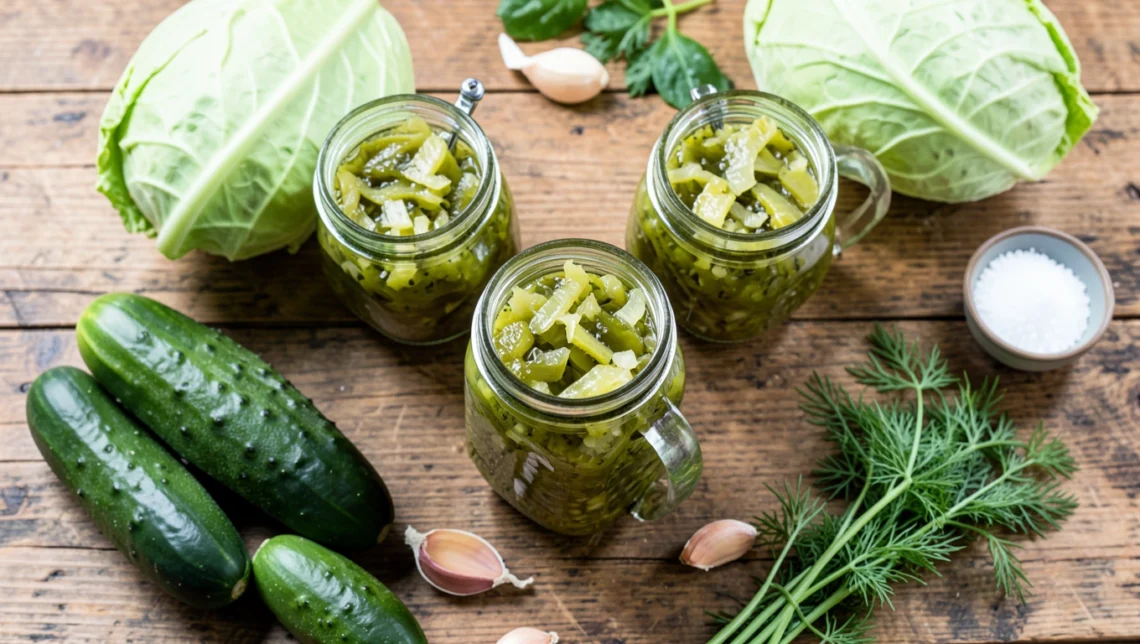
Sauerkraut is perhaps the easiest fermented food to start with because it requires just two ingredients: cabbage and salt. Remove the outer leaves from a head of cabbage, cut it into quarters, and remove the core. Slice the cabbage thinly - about the thickness of a dime works well. Place the shredded cabbage in a large bowl and sprinkle it with salt, using about three tablespoons of salt per five pounds of cabbage.
Now comes the physical part. Massage the salt into the cabbage with your hands for several minutes. This breaks down the cell walls and draws out moisture. At first, it seems like nothing is happening, but keep working it. After five to ten minutes, you'll notice liquid pooling at the bottom of the bowl. This is the brine that will preserve your sauerkraut.
Pack the cabbage tightly into your jar, pressing down firmly to eliminate air pockets. Pour any liquid from the bowl over the cabbage. The vegetables need to be completely submerged under the brine - if there isn't enough liquid to cover them, mix up a small amount of brine using the same salt-to-water ratio and add it. Place a weight on top to keep everything under the liquid, cover loosely to allow gases to escape, and set the jar in a cool spot away from direct sunlight.
Regular sauerkraut typically takes about three weeks to ferment, though you can start tasting it after a week. The flavor will develop from mildly tangy to increasingly sour as time passes. Once it reaches a taste you enjoy, transfer it to the refrigerator to slow down fermentation.
Creating Fermented Pickles
Fermented pickles differ from the quick refrigerator pickles many people make with vinegar. These pickles develop their acidity naturally through fermentation, creating a more complex flavor and probiotic content. Start with small to medium cucumbers - the larger ones tend to get soft and hollow during fermentation. Wash them well and trim off the blossom end, which contains enzymes that can make pickles mushy.
Prepare your brine by dissolving salt in filtered water. Pack your cucumbers into a jar along with flavoring agents - fresh dill, garlic cloves, peppercorns, and mustard seeds are traditional choices, but you can experiment with other spices. Pour the brine over the cucumbers, making sure they're completely covered. Again, you'll need to weight them down to keep them submerged.
The fermentation timeline for pickles is similar to sauerkraut. They'll start developing flavor within a few days, but most people find they reach peak taste after two to three weeks at room temperature. You'll notice the brine becoming cloudy - this is normal and indicates active fermentation. Small bubbles rising to the surface are also a good sign that beneficial bacteria are doing their work.
Check your pickles every few days. If any scum forms on the surface, simply skim it off - it's harmless but can affect flavor if left too long. The pickles should smell pleasantly sour and tangy. If they smell off or show signs of mold below the brine line, something went wrong and you should discard the batch and start over.
Health Benefits and Safety Considerations
Fermented foods offer substantial health benefits, primarily through their probiotic content. These beneficial bacteria support gut health, strengthen the immune system, and enhance nutrient absorption. Some research suggests fermented foods may have anti-cancer properties and help alleviate digestive issues like irritable bowel syndrome, though individual results vary.
The fermentation process also makes certain nutrients more bioavailable. The bacteria break down compounds that can interfere with nutrient absorption, making vitamins and minerals easier for your body to use. Historically, fermented foods played a crucial role in preventing diseases like scurvy during long sea voyages, with sailors carrying items like pickles for their vitamin C content.
Safety is straightforward when you follow basic guidelines. Use clean equipment, maintain proper salt ratios, and keep vegetables submerged under brine. The acidic environment created by fermentation prevents harmful bacteria from growing. Trust your senses - properly fermented vegetables smell tangy and appetizing, not rotten or putrid. If something looks or smells wrong, err on the side of caution and discard it.
Some people experience temporary digestive changes when they first start eating fermented foods regularly. Start with small portions and gradually increase as your system adjusts. The probiotics are changing your gut bacteria composition, which can cause mild bloating or gas initially. These effects typically subside within a week or two as your digestive system adapts.
Conclusion
Making your own pickles and sauerkraut connects you to a food preservation tradition that spans cultures and centuries. Early American pioneers relied on fermented cabbage to preserve vegetables when refrigeration didn't exist, and that same simple process works just as well in modern kitchens. The initial batch might feel like an experiment, but once you taste the difference between homemade fermented vegetables and their store-bought counterparts, you'll understand why this practice has endured.
The beauty of fermentation lies in its simplicity and flexibility. You can stick to classic recipes or experiment with different vegetables, spices, and flavor combinations. Each batch teaches you something about timing, salt ratios, and how temperature affects fermentation speed. The process requires patience but very little active work - mostly you're just waiting while beneficial bacteria do their job. Start with a single jar of sauerkraut or pickles, and you'll likely find yourself with several fermentation projects going at once within a few months.
FAQs
How long do homemade fermented pickles and sauerkraut last?
Once fermentation is complete and you move your jars to the refrigerator, properly fermented vegetables can last several months. Sauerkraut often keeps for six months or longer in cold storage, while pickles typically stay good for three to four months. The cold temperature dramatically slows fermentation without stopping it entirely, so flavors will continue to develop slowly over time. Always check for off smells or visible mold before eating, though properly fermented vegetables rarely spoil when kept refrigerated.
Can I use regular table salt for fermentation?
Regular iodized table salt isn't ideal for fermentation. The iodine can interfere with the beneficial bacteria you're trying to cultivate, and anti-caking agents often added to table salt can make your brine cloudy or affect the fermentation process. Stick with non-iodized options like sea salt, kosher salt, or pickling salt. These pure salts dissolve cleanly and won't introduce unwanted chemicals into your ferment. The small investment in proper salt makes a noticeable difference in your results.
What should I do if mold appears on my ferment?
Surface mold on top of the brine can happen, especially if vegetables aren't fully submerged. If you catch white or light-colored mold early and it's only on the surface, you can carefully skim it off along with the top layer of vegetables, making sure everything remaining is still submerged under brine. However, if mold appears below the brine line, or if you see black, pink, or fuzzy mold of any color, discard the entire batch. The fermentation has been compromised and isn't safe to eat. Prevention is easier than treatment - keep vegetables weighted down under the brine and check your ferments regularly during the first week.