Ever feel like your mind is just a constant whir of to-do lists, past regrets, and future worries? Like you're always rushing, always thinking, but rarely truly present? Honestly, it's a pretty common feeling in our fast-paced world. We're bombarded with information, distractions, and an endless stream of things demanding our attention. It makes you wonder, doesn't it, if there's another way to experience life, a way to actually be here, wherever 'here' happens to be?
This is where mindfulness meditation quietly steps in. It's not about stopping your thoughts or emptying your mind- no, not at all. Instead, it's about shifting how you relate to those thoughts, feelings, and sensations. It's about cultivating a gentle awareness of the present moment, without getting tangled up in judgment or wishing things were different. For beginners, it really offers a pathway, a kind of invitation, to discover a deeper sense of calm and clarity that's already inside you. It's about creating a little bit of space, you know, between you and all the mental chatter, so you can respond to life with a bit more intention and a bit less reaction.
What is Mindfulness Meditation, Really?
So, what exactly are we talking about when we say "mindfulness meditation"? At its heart, it's the practice of paying attention. Simple, right? Well, not always as easy as it sounds. It means focusing on the present moment, on purpose, and without judging whatever you find there. We spend so much of our time lost in thought- thinking about what we need to do later, or rehashing something that happened yesterday. We live in our heads a lot, missing out on the actual experience of right now.
This practice matters because when we're constantly pulled away by our thoughts, we often miss the richness of life unfolding. We might eat a meal without really tasting it, or walk somewhere without noticing the sky, or even listen to a loved one without truly hearing them. Mindfulness helps us gently bring our awareness back to what's happening now. A simple example might be noticing the sound of birds outside your window, without immediately identifying the type of bird or thinking about birdwatching, just hearing the sound itself. The potential benefits are pretty significant: a greater ability to focus, a reduction in automatic reactions, and, frankly, a much deeper appreciation for the simple things. It helps us develop a kind of inner spaciousness, so we're not so tightly wound around our worries.
Finding Your Anchor: The Breath
When you're starting out with mindfulness meditation, the idea of "just being present" can feel a bit vague, right? Like, where do I even put my attention? That's where your breath becomes an incredible tool, a kind of friendly anchor. The breath is always there, always with you, and it's happening all on its own. It's a constant, reliable process that you can always return to when your mind inevitably wanders off - and trust me, it will wander!
Focusing on the breath matters because it gives your busy mind a concrete, neutral object to rest upon. Instead of chasing after every thought, you can gently bring your awareness back to the physical sensations of breathing. For instance, just notice the cool air entering your nostrils, the slight expansion of your belly, and the warm air leaving your body. You're not trying to change your breath, or make it deeper or slower, just observing it as it is. This simple act of noticing, repeatedly, develops your capacity for focus. It's like exercising a muscle. Plus, having the breath as an anchor means you always have a portable tool for bringing yourself back to the present, no matter where you are or what's going on. It can be a little pocket of calm you can access anytime, anywhere.
Working with Distractions: Thoughts and Feelings
Okay, so you're sitting there, trying to focus on your breath, and then boom- your mind is off thinking about that email you forgot to send, or a conversation from earlier, or what you'll have for dinner. And then maybe you get frustrated, thinking, "I'm doing this wrong!" This is, honestly, one of the biggest initial challenges for beginners, and it's totally normal. Mindfulness isn't about having an empty mind; it's about changing your relationship with all that mental activity.
Learning to work with these distractions, rather than fighting them, is crucial. Why? Because resisting thoughts and feelings often gives them more power. When a thought pops up, instead of getting caught in its story, you simply acknowledge it. You might mentally note, "Oh, there's a thought about dinner," and then gently, without judgment, bring your attention back to your breath. It's like watching clouds pass in the sky - you see them, you know they're there, but you don't jump on one and fly away with it. This practice reduces self-criticism and helps you develop a healthier, less reactive relationship with your inner experience. You start to see that you are not your thoughts, and your feelings are just passing states, not permanent truths. It really helps with things like emotional regulation, giving you a bit of distance.
Integrating Mindfulness into Daily Life
Meditation isn't just something you do on a cushion for 10 minutes a day, you know? While formal practice is super helpful for building the mental muscle, the real magic happens when you start to weave mindfulness into the fabric of your everyday life. This means taking that gentle, non-judgmental awareness you cultivate in meditation and applying it to everything else you do. Because, to be fair, life doesn't stop just because you've meditated for a bit. We're still doing chores, working, talking to people, eating, commuting- all that stuff.
Why does this matter so much? Well, real change, genuine transformation, comes from consistently applying these principles. It's about living with more presence, period. A simple example could be mindful eating: instead of wolfing down your lunch while scrolling on your phone, try really tasting each bite. Notice the texture, the flavors, the smell. Or mindful walking: feel your feet on the ground, notice the sights and sounds around you, rather than letting your mind race. The potential benefits here are enormous: everyday tasks become less like chores and more like opportunities for engagement, you might find yourself feeling less rushed, and you'll likely experience a deeper sense of appreciation for the simple moments that make up your day. It really helps you feel more connected to your own life, which is, honestly, a pretty big deal.
Fun Facts & Trivia
- It's interesting to note that while mindfulness has roots in ancient Buddhist traditions, its modern application in Western psychology is often entirely secular, focusing on well-being without religious attachment.
- A surprising fact is that consistent mindfulness practice can actually change the physical structure of your brain, a phenomenon known as neuroplasticity, potentially increasing gray matter in areas related to learning and memory.
- Here's a fun piece of trivia: some studies suggest that even short bursts of mindfulness, as little as 5-10 minutes a day, can have measurable benefits for stress reduction and focus.
- You might be surprised to learn that mindfulness meditation is now used in various settings, from schools to corporate offices and even in military training, to enhance resilience and cognitive performance.
Conclusion
So, yeah, mindfulness meditation really isn't about becoming a different person or achieving some perfect state of inner peace where you never have a stray thought. Honestly, that's just not how our minds work. Instead, it's a practice, a consistent showing up, a gentle turning towards your present experience, whatever that might be. It’s about cultivating a kind, curious awareness, day after day, moment after moment.
What's worth remembering here is that patience with yourself is key. There will be days when your mind feels like a chaotic circus, and other days when you find a beautiful stillness. Both are part of the practice. I learned the hard way that trying to "force" relaxation or get a specific outcome only adds another layer of tension. The real aim is simply to notice, to observe, and to return to your anchor-usually the breath-with a gentle hand, not a demanding fist. It's about being present, accepting what is, and knowing that every moment is a fresh start. It offers a gentle pathway to living with a bit more intention and, you know, a bit more joy in the everyday.
FAQs
How long should I meditate as a beginner with mindfulness?
Starting with just 5-10 minutes a day is perfectly fine. Consistency is more important than duration, so aim for a short, regular practice rather than infrequent, long sessions. You can gradually increase the time as you feel comfortable.
Is it normal for my mind to wander during mindfulness meditation?
Absolutely, a wandering mind is completely normal. In fact, noticing that your mind has wandered and gently bringing your attention back to your anchor (like your breath) is a core part of the practice. Don't judge yourself for it; simply observe and return.
Do I need a special posture or cushion for mindfulness meditation?
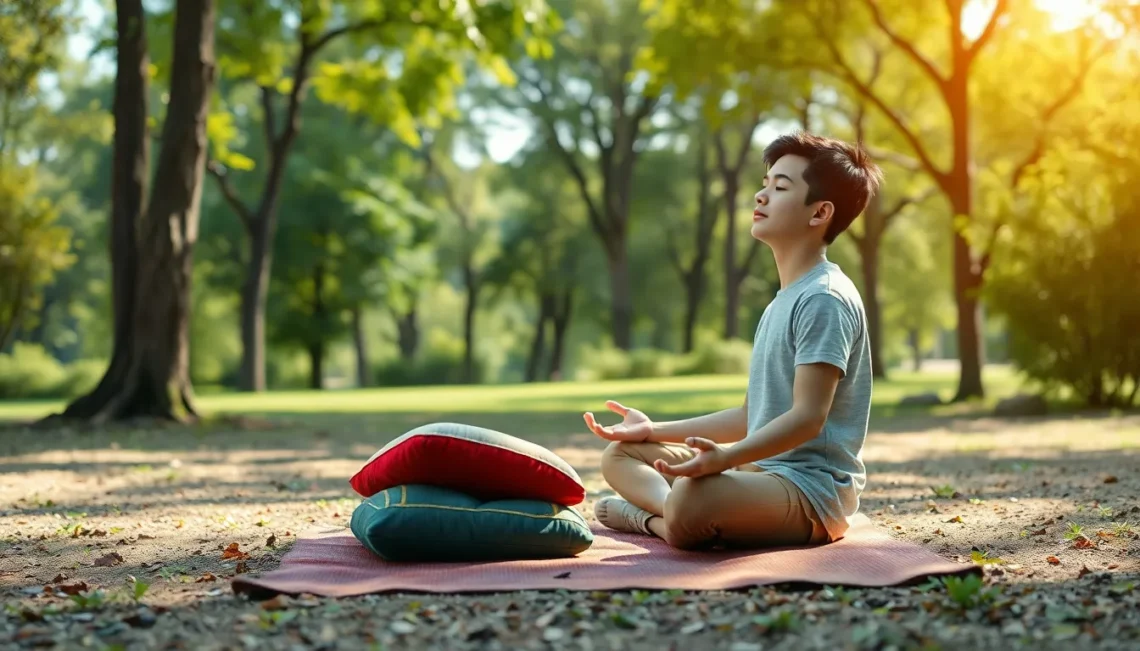
Not at all. While some find a meditation cushion helpful, any comfortable position will do. The main thing is to find a posture that allows you to be alert and at ease, whether sitting on a chair, cross-legged on the floor, or even lying down if you can stay awake.
Can mindfulness meditation help with anxiety relief?
Many people report that mindfulness meditation can indeed help with anxiety relief. By teaching you to observe anxious thoughts and feelings without getting caught up in them, it can reduce their intensity and help you respond to stress more calmly.
What's the difference between mindfulness and other types of meditation?
Mindfulness meditation focuses on present moment awareness and non-judgmental observation, often using the breath as an anchor. Other meditation types might focus on specific visualizations, mantras, or cultivating particular emotions, but many share common elements of concentration and awareness.