That nagging ache in your lower back can turn a productive day into a struggle. Whether it struck after lifting something heavy, sitting too long at your desk, or simply appeared out of nowhere, lower back pain demands immediate attention. The good news? You don't need to suffer through it or wait weeks for relief. Understanding what causes this discomfort and knowing which quick remedies actually work can help you get back to your normal routine faster. While chronic back pain requires professional medical care, many acute lower back episodes respond remarkably well to simple, evidence-based techniques you can start using right now.
Understanding What's Actually Happening in Your Lower Back
Your lower back, or lumbar spine, carries the weight of your entire upper body while allowing you to bend, twist, and move in multiple directions. This region contains five vertebrae, numerous muscles, ligaments, and nerves all working together. When pain strikes, it's usually because of muscle strain, ligament sprain, or irritation to the surrounding tissues.
Most acute lower back pain stems from mechanical issues rather than serious structural damage. You might have overstretched a muscle during yard work, held an awkward posture too long during a meeting, or experienced muscle spasms from sudden movement. The surrounding muscles then tighten protectively, creating that stiff, achy sensation that makes every movement uncomfortable.
Recognizing the type of pain you're experiencing helps guide your relief strategy. Sharp, sudden pain that appeared after a specific incident typically indicates muscle strain. Dull, persistent aching that worsens with certain positions often points to postural stress. Radiating pain down your leg suggests nerve involvement and warrants medical evaluation. For garden-variety lower back soreness without red flags like numbness, weakness, or loss of bladder control, you can safely try home remedies first.
Immediate Actions That Actually Provide Relief
The moment lower back pain strikes, your instinct might tell you to lie down completely flat. Resist that urge. Research shows that prolonged bed rest actually delays recovery and can worsen stiffness. Instead, find a comfortable position that takes pressure off your lower back. Try lying on your back with a pillow under your knees, or on your side with a pillow between your knees. These positions maintain your spine's natural curve while reducing strain.
Cold therapy works wonders in the first 48 hours after injury. Apply an ice pack wrapped in a thin towel to the painful area for 15-20 minutes every two to three hours. The cold reduces inflammation and numbs acute pain. After the initial inflammatory phase passes, switch to heat therapy. A heating pad, warm bath, or hot water bottle increases blood flow to the area, relaxes tight muscles, and promotes healing.
Gentle movement trumps complete rest. Walk around your home or office for a few minutes every hour, even if it feels uncomfortable at first. This keeps your muscles from seizing up and maintains circulation. Simple stretches like knee-to-chest pulls, cat-cow movements, or gentle pelvic tilts can ease tension without aggravating the injury. Move slowly and stop if anything increases your pain significantly.
Over-the-counter pain relievers have their place in your recovery toolkit. Nonsteroidal anti-inflammatory drugs like ibuprofen reduce both pain and inflammation, while acetaminophen addresses pain without the anti-inflammatory component. Follow dosing instructions carefully, and consider alternating between the two for better coverage if your doctor approves this approach.
Fun Facts & Trivia
- Studies reveal that about 80% of adults will experience lower back pain at some point in their lives, making it one of the most common medical complaints worldwide.
- Your brain can actually amplify or reduce pain signals depending on stress levels - managing anxiety and tension often provides surprising relief for back discomfort.
- Interestingly enough, strong abdominal muscles reduce lower back strain by up to 40%, which explains why core exercises prevent future episodes.
- Research shows that people who stay moderately active during back pain episodes recover about twice as fast as those who remain sedentary.
- The myth that firm mattresses help back pain has been debunked - medium-firm mattresses actually provide better support and comfort for most people with lower back issues.
Techniques That Address the Root Cause
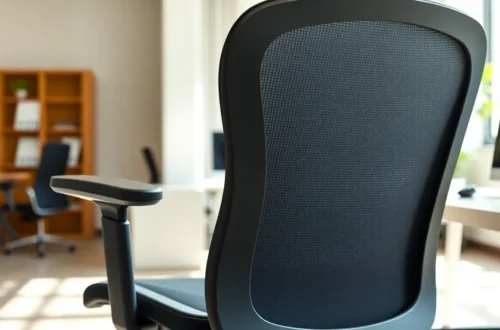
Quick relief matters, but addressing why your back hurts prevents the problem from becoming chronic. Poor posture ranks among the top contributors to lower back pain. When you sit, your lower back should maintain its natural inward curve. Most of us slouch forward, flattening this curve and straining the muscles and ligaments. Place a small rolled towel or lumbar support cushion at the small of your back when sitting. Adjust your chair height so your feet rest flat on the floor with knees at hip level.
Your workstation setup directly impacts your spine health. Position your computer monitor at eye level to prevent neck strain that travels down to your lower back. Keep frequently used items within easy reach to avoid repetitive twisting. If you work at a desk all day, set a timer to remind yourself to stand, stretch, and walk for a few minutes every 30 minutes. These micro-breaks give your back muscles a chance to reset.
Muscle imbalances often lurk behind recurring back pain. Tight hip flexors from excessive sitting pull on your lower spine, while weak glutes fail to support proper movement patterns. A simple routine of hip flexor stretches and glute bridges can correct these imbalances. Foam rolling your lower back, glutes, and hamstrings releases muscle tension and improves flexibility. Spend just five minutes daily on these maintenance activities, and you'll notice fewer painful episodes.
Core strengthening deserves special attention. Your core muscles form a natural support belt for your spine. Planks, bird dogs, and dead bugs strengthen these muscles without putting excessive strain on an already sore back. Start with modified versions if needed. Hold positions for shorter durations and gradually build up as your strength improves. Consistency matters more than intensity when building core stability.
When to Take Your Pain Seriously
Most lower back pain improves within a few days to two weeks with home care. However, certain symptoms require immediate medical attention. Seek help right away if you experience severe pain that doesn't improve with rest, pain following a fall or injury, numbness or tingling in your legs or groin area, difficulty controlling your bladder or bowels, unexplained weight loss, or fever accompanying your back pain.
Pain that persists beyond four weeks warrants a visit to your healthcare provider even without red flag symptoms. Chronic lower back pain might indicate conditions like herniated discs, spinal stenosis, or degenerative disc disease that benefit from professional diagnosis and treatment. Your doctor can order imaging studies if needed and refer you to physical therapy or specialists.
Physical therapy provides targeted relief that general home remedies can't match. A physical therapist evaluates your movement patterns, identifies specific muscle weaknesses or imbalances, and creates a customized treatment plan. They might use manual therapy techniques, teach you proper body mechanics, and guide you through exercises that address your unique situation. Many people experience significant improvement within a few sessions.
Conclusion
Lower back pain interrupts your life, but you have more control over it than you might think. The combination of appropriate rest positions, ice and heat therapy, gentle movement, and targeted stretches provides relief for most acute episodes. Understanding the connection between your daily habits and back health empowers you to make changes that prevent future problems. While these strategies work well for common muscle strains and minor injuries, trust your instincts about when to seek professional care. Your back carries you through life literally, so treating it with respect and attention pays dividends in both immediate comfort and long-term wellness. Start with these evidence-based techniques today, and you'll likely find yourself moving more freely and comfortably sooner than expected. Remember that consistency in prevention beats repeatedly treating flare-ups, so make those small daily habits part of your routine even after the pain subsides.
FAQs
How long should I use ice versus heat on my lower back?
Use ice for the first 48 to 72 hours after injury or when pain first appears. Apply it for 15-20 minutes at a time, several times per day. After the initial inflammatory period passes, switch to heat therapy. Heat works best for chronic stiffness or muscle tension. Some people benefit from alternating between cold and heat after the acute phase, ending with heat to relax the muscles before activity.
Is it better to sit or stand when my lower back hurts?
Neither extreme helps. Prolonged sitting increases pressure on your lumbar discs, while standing too long fatigues your back muscles. The best approach involves alternating positions frequently. If sitting, use proper lumbar support and stand every 30 minutes. If standing, shift your weight regularly, use a footrest to alternate resting each foot, and sit down periodically. Movement and position changes throughout the day provide the most relief.
Can stretching make lower back pain worse?
Aggressive stretching or improper technique can definitely aggravate back pain. During acute pain episodes, stick with gentle stretches that feel comfortable and never push into sharp pain. Avoid stretches that involve twisting or bending forward forcefully. Focus on slow, controlled movements that create a mild stretch sensation without increasing your pain level. If a stretch hurts, stop immediately. As your back heals, you can gradually increase the intensity and range of motion in your stretching routine.