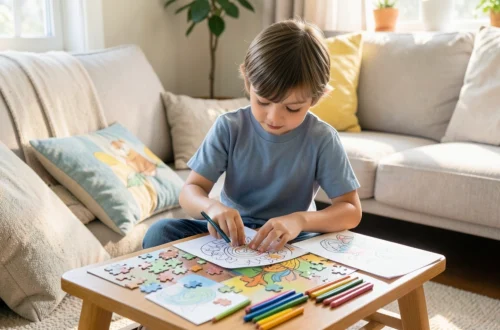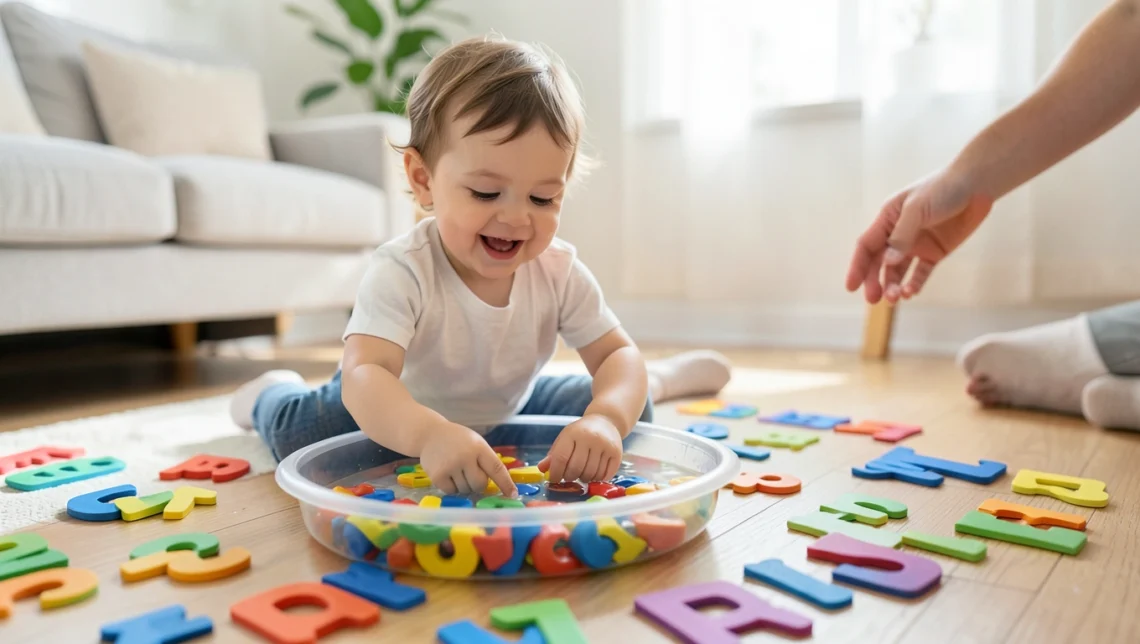
Learning the alphabet is one of the first big milestones in early childhood, and it doesn't have to feel like a chore. When you turn letters into toys, songs, and games, toddlers absorb them naturally while having fun. Play-based learning taps into how young children are wired to explore the world around them. Instead of sitting still with flashcards, they're moving, touching, singing, and discovering. This approach builds confidence, strengthens fine motor skills, and creates positive associations with learning that can last a lifetime. Let's look at how you can weave alphabet learning into everyday play without pressure or frustration.
Why Play-Based Learning Works for Toddlers
Toddlers learn best when they're engaged and curious, not when they're forced to sit and memorize. Play-based learning works because it matches their natural development stage. At this age, children explore through their senses and movement. When you let them trace letters in sand, jump on alphabet hopscotch squares, or hunt for objects that start with a certain letter, they're using their whole body and brain to make connections.
This method also removes the stress that can come with traditional teaching. There's no right or wrong way to play, so toddlers feel safe to experiment and make mistakes. That freedom builds confidence. When a child successfully finds the letter B during a scavenger hunt or sings the alphabet song with hand motions, they feel proud. Those small wins add up and create a positive attitude toward learning that carries into school and beyond.
Another advantage is repetition without boredom. Toddlers need to see and interact with letters many times before they stick. Worksheets get old fast, but games can be played over and over with slight variations. One day you might hide magnetic letters around the living room, the next you might sort them by color or shape. The core skill stays the same, but the activity feels fresh.
Simple Alphabet Activities You Can Start Today
You don't need expensive toys or elaborate setups to teach the alphabet through play. Many effective activities use items you already have at home. Alphabet hopscotch is a great example. Draw or tape letters on the floor in a hopscotch pattern and call out a letter for your toddler to jump to. This combines physical activity with letter recognition, and you can adjust the difficulty as they improve.
Sensory play is another powerful tool. Fill a shallow tray with sand, rice, or shaving cream and let your child trace letters with their finger. The tactile input helps cement the shape of each letter in their memory. You can also use playdough to form letters, which strengthens hand muscles while reinforcing letter shapes. These activities are calming and can fit into quiet time or rainy afternoons.
Scavenger hunts turn letter learning into an adventure. Pick a letter of the day and challenge your toddler to find objects around the house that start with that sound. A is for apple, B is for ball, C is for cup. You can make it easier by giving hints or harder by letting them search independently. This activity teaches letter-sound connections, which are crucial for reading later on.
Singing alphabet songs with actions adds another layer of engagement. When you pair letters with movements, like clapping for C or jumping for J, toddlers create multiple memory pathways. They're not just hearing the letter, they're feeling it in their body. You can find countless alphabet activities for kids online that offer fresh ideas when you need inspiration.
Fun Facts & Trivia
- Starting with your child's name creates a personal connection that makes alphabet learning more meaningful and memorable.
- Sorting letters by color, shape, or type helps toddlers develop visual discrimination skills that support reading readiness.
- Using different colors and styles in alphabet materials strengthens visual memory and helps children retain information longer.
- Play-based learning allows for repeated practice without the fatigue that comes with traditional worksheets, keeping children engaged over time.
Making Letters Part of Daily Life
You don't need to set aside special lesson time to teach the alphabet. Some of the best learning happens during everyday routines. Point out letters on cereal boxes at breakfast, street signs during walks, or book covers at bedtime. When your toddler sees letters in context, they start to understand that these symbols have real-world meaning.
Cooking together offers natural alphabet moments. Let your child help you find ingredients by their first letter. Can you grab the M for milk? Where's the B for butter? This turns grocery shopping and meal prep into learning opportunities without feeling forced. You're spending time together and building skills at the same time.
Bath time can become alphabet time with foam letters that stick to the tub. Your toddler can arrange them, spell their name, or just play while you name the letters they're holding. The relaxed setting makes it feel like pure fun, not a lesson. The same goes for car rides. Singing alphabet songs or playing I Spy with letters on license plates turns travel time into learning time.
Reading together is one of the most powerful ways to reinforce letter knowledge. Choose books with clear, large letters and point to them as you read. Ask your child to find certain letters on the page or predict what letter comes next. This builds the connection between letters, sounds, and words in a natural, story-driven way.
Adjusting to Your Child's Pace and Interests
Every toddler learns differently and at their own speed. Some children latch onto letters quickly, while others need more time and repetition. The key is to follow your child's lead and keep it pressure-free. If they're not interested in a particular activity, try something else. Forcing it can create resistance and turn learning into a battle.
Pay attention to what excites your child. If they love trucks, use toy vehicles to deliver letters around the room. If they're into animals, match letters to animal names. Personalizing activities to their interests keeps them engaged and makes the learning stick. You're not just teaching letters, you're showing them that learning can be tailored to what they care about.
It's also fine to focus on just a few letters at a time. Start with the letters in their name, which have personal significance. Once they master those, gradually introduce others. There's no rush. The goal is to build a strong foundation, not to race through the alphabet. Celebrate small progress and keep the experience positive.
Conclusion
Teaching toddlers the alphabet through play is about more than just memorizing 26 letters. It's about building confidence, curiosity, and a love for learning that will serve them well in school and life. When you make letters part of games, songs, and everyday moments, you're showing your child that learning is natural and enjoyable. You're also strengthening your bond through shared activities and laughter.
The beauty of this approach is its flexibility. You can adapt activities to fit your child's personality, your schedule, and your home environment. Whether you're tracing letters in sand, jumping on hopscotch squares, or singing in the car, you're making progress. Trust the process, follow your child's cues, and remember that play is serious work for toddlers. It's how they make sense of the world, and it's the perfect vehicle for learning the alphabet.
FAQs
At what age should I start teaching my toddler the alphabet?
Most children show readiness for alphabet learning between ages two and three, but every child is different. Look for signs of interest, like pointing to letters or asking what they say. If your toddler isn't interested yet, that's completely normal. Keep books and letter toys available and let curiosity guide the timing. Pushing too early can backfire, so follow your child's lead and keep it playful.
How long should alphabet play sessions last?
Toddlers have short attention spans, so aim for five to ten minutes of focused alphabet play at a time. You can repeat these short sessions throughout the day during natural breaks. If your child is deeply engaged in an activity, let it continue as long as they're interested. The goal is quality over quantity. Brief, frequent, and fun beats long, forced sessions every time.
Do I need to teach letters in alphabetical order?
No, you don't need to follow alphabetical order. In fact, starting with the letters in your child's name often works better because it's personally meaningful. You can also group letters by shape or sound, or simply introduce them as they come up naturally in play and daily life. The alphabet song teaches the sequence, but recognition and sound association matter more than order at this stage.